
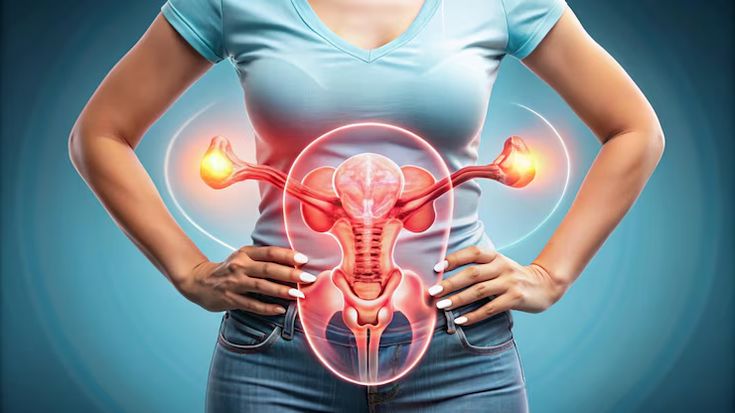
PCOD (Polycystic Ovarian Disease) can be managed naturally through a low glycaemic index diet, 150 minutes of weekly exercise, 5 to 10 percent weight reduction if overweight, 7 to 8 hours of quality sleep, stress management, and supplements like inositol and vitamin D. Around 60 to 70 percent of women see significant symptom improvement within 6 to 12 months when insulin resistance is the primary driver, while severe cases may need medical treatment alongside lifestyle changes.
According to Dr. Tanuja Uchil, Obstetrician and Gynecologist in Mumbai,
“PCOD is one of the most lifestyle-responsive hormonal conditions we treat, and most women genuinely don’t need lifelong medication if they’re willing to invest properly in diet, movement, sleep, and stress management for at least 6 months.”
Want a structured natural PCOD plan built around your specific symptoms and metabolic profile rather than generic online advice?
What Are the Most Effective Natural Treatments for PCOD?
Insulin resistance and inflammation sit at the core of the condition, and addressing both through lifestyle correction directly improves hormonal balance, menstrual regularity, and most other PCOD symptoms.
- Low GI Diet Foundation: A low glycaemic index diet built on whole grains like ragi, oats, and millets, lean proteins like dals, eggs, and paneer, fresh vegetables, and healthy fats from nuts and seeds is the cornerstone of natural PCOD management.
- Regular Physical Activity: 150 minutes of moderate exercise spread across the week, combining cardio and basic strength training, improves insulin sensitivity measurably over 8 to 12 weeks.
- Weight Management: A 5 to 10 percent reduction in body weight in overweight women with PCOD restores regular ovulation, improves fertility outcomes, and reduces androgen-driven symptoms like acne and excess facial hair within 3 to 6 months of consistent effort.
- Sleep and Stress Management: 7 to 8 hours of quality sleep nightly, daily stress reduction through yoga or meditation, and gut health support through fibre and probiotics influence PCOD outcomes more than commonly recognised.
For most women living with PCOD, the natural approach handles 60 to 70 percent of symptoms when followed properly for 6 to 12 months, and our blog on whether PCOS patients can conceive naturally without IVF covers how this same lifestyle framework supports fertility outcomes specifically.
Which Supplements and Herbal Remedies Genuinely Help PCOD?
Certain supplements and herbal remedies have clinical evidence backing their use for PCOD management, while many others are marketing claims without scientific support, so knowing which ones genuinely work helps women invest properly.
- Inositol Combination: Inositol (specifically myo-inositol and D-chiro-inositol in a 40:1 ratio) improves insulin sensitivity, restores ovulation in around 50 percent of women, and reduces androgen levels with consistent use of 2 to 4 grams daily over 3 to 6 months.
- Vitamin D Correction: Vitamin D supplementation matters because most women with PCOD are deficient when tested. Correcting levels (typically 1000 to 2000 IU daily depending on baseline) improves insulin sensitivity, mood, and menstrual regularity within 8 to 12 weeks.
- Omega-3 Fatty Acids: Omega-3 from fish oil or flaxseeds reduces the systemic inflammation typical in PCOD cases, supports hormonal balance, and improves the lipid profile. 1 to 2 grams daily shows measurable benefits over 3 to 6 months of consistent supplementation.
- Traditional Herbs: Cinnamon (1 to 6 grams daily), spearmint tea (2 cups daily for androgen reduction), and fenugreek seeds have clinical evidence for managing specific PCOD symptoms. These should always be used alongside diet and lifestyle changes rather than as a replacement for them.
A personalised natural PCOD plan built around individual symptoms and metabolic profile is more effective than generic online protocols, and our blog on IVF treatment cost in Mumbai covers the financial picture if PCOD-related fertility issues eventually require medical intervention.
Why Choose OMA Hospital ?
Dr. Tanuja Uchil brings over 25 years of obstetrics and gynecology experience, MD from Seth GS Medical College and KEM Hospital, plus further training in reproductive medicine from Kiel, Germany to PCOD management at OMA Hospital, Mumbai. She leads women’s health services at OMA with focus on natural PCOD plans that balance lifestyle correction with medical intervention based on case severity rather than defaulting to either extreme. Patients receive personalised plans that fit Indian lifestyles and food habits rather than generic Western dietary advice that doesn’t translate to everyday Indian households.
FAQ
How long does natural PCOD treatment take to show results?
Most women see noticeable improvement in cycles, weight, and acne within 3 to 6 months of consistent diet, exercise, and lifestyle changes.
Can PCOD be completely cured naturally?
PCOD cannot be completely cured, but symptoms can be controlled effectively through long-term natural management for many women.
Is exercise enough to manage PCOD?
Exercise alone helps but works best when combined with diet, sleep, and stress management for meaningful PCOD symptom improvement.
Does intermittent fasting help with PCOD?
Intermittent fasting may help some women with PCOD by improving insulin sensitivity, but it should be tried under medical guidance.
Are PCOD supplements safe long-term?
Most evidence-backed supplements like inositol and vitamin D are safe long-term, but should be taken under medical supervision and not as a replacement for lifestyle changes.