


Male Infertility Treatment in Mumbai
For a long time, infertility was treated as a women’s issue. That assumption is wrong, and clinically wrong too. Around 40 to 50 percent of couples who struggle to conceive are dealing with a male factor – either as the primary reason or as part of a combined picture. At OMA Hospital, we don’t put the female partner through a full workup while the male partner only does a single semen test and goes home. Both partners are evaluated properly from the start, because a fertility issue in the male partner is treatable in most cases, often more straightforward than people expect.
Our male infertility treatment in Mumbai covers the full range – from improving sperm quality through medication and lifestyle changes, to surgical sperm retrieval techniques like TESA, PESA, and Micro-TESE for men who have no measurable sperm in their ejaculate. The hospital is based in Chembur, and our male fertility work sits inside a broader infertility treatment programme so that whatever the male partner needs links up seamlessly with the female partner’s care.
What is Male Infertility?
In medical terms, a couple is considered to have a fertility issue if they have been trying to conceive for 12 months without success – or 6 months if the woman is over 35. Male infertility means the cause is on the man’s side, either alone or alongside female factors.
In practice, it usually shows up as one or more of these:
Low sperm count (oligospermia)
Poor sperm motility (asthenospermia) – the sperm can’t swim well enough
Abnormal sperm shape (teratospermia)
No sperm in the ejaculate at all (azoospermia)
Issues with sperm DNA integrity, which standard tests don’t always catch
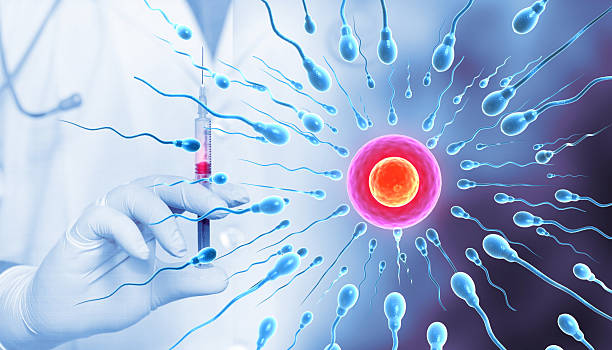
A standard semen analysis is the first test. It’s quick, non-invasive, and gives us the baseline numbers. If the result comes back on the lower end or as azoospermia, that’s when we go deeper – hormonal testing, scrotal ultrasound, sperm DNA fragmentation, and sometimes a genetic panel. Most of these are done in our in-house radiology and diagnostics unit within the same week.
One thing worth saying out loud: a low sperm count does not mean you cannot have a biological child. Techniques like ICSI and surgical sperm retrieval mean even men with very low counts, or no sperm at all in the ejaculate, can father children. The conversation around male infertility has changed a lot in the last 20 years, and most outcomes are far better than they used to be.
Worried about your fertility?
A semen analysis is a simple first step that often clears up months of guessing. Book a confidential consultation with our fertility specialists at OMA Hospital, Chembur.
Treatment Options for Male Infertility
What works depends on what is actually wrong. For some men, a lifestyle reset and a course of supplements is enough to bring sperm parameters back to normal. For others, hormonal treatment helps. For men with very low or zero sperm in the ejaculate, surgical sperm retrieval combined with ICSI is usually the route to a pregnancy. Below is how each of our retrieval procedures actually works.
TESA Treatment
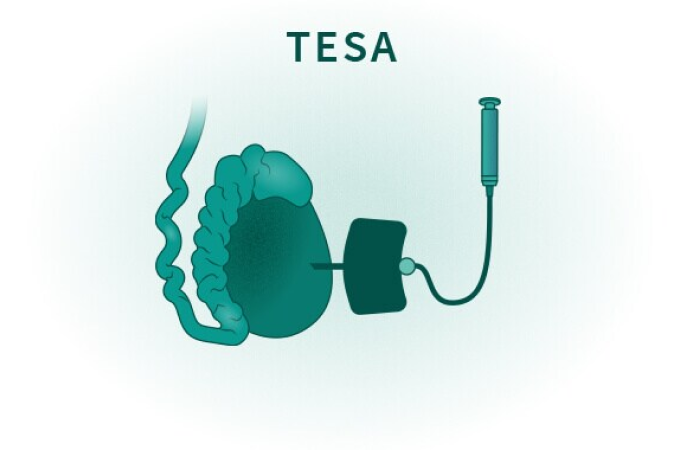
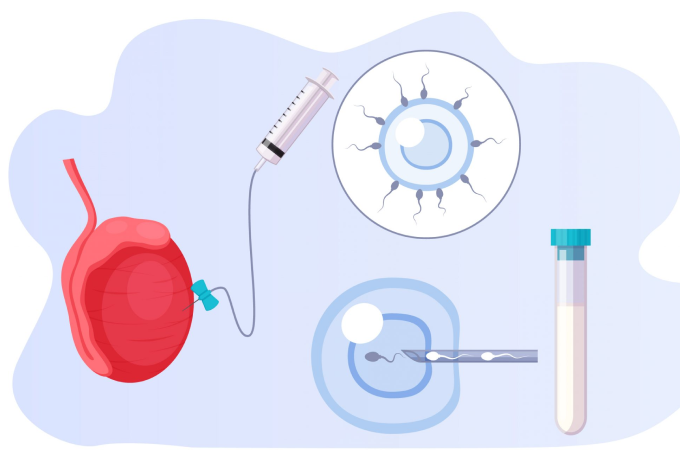
TESA stands for Testicular Sperm Aspiration. It is a procedure where sperm is retrieved directly from the testicular tissue using a fine needle. The procedure takes around 15 to 20 minutes and is done under local or short general anaesthesia, depending on what the patient prefers and what we judge to be safer.
TESA is the first-line option for men with obstructive azoospermia – situations where sperm is being produced normally but cannot reach the ejaculate because of a blockage. The retrieved sperm is used the same day in an ICSI cycle with the partner’s eggs as part of our IVF treatment in Mumbai. Recovery is quick. Most men go home the same day and are back to normal activities within two to three days.
PESA Treatment
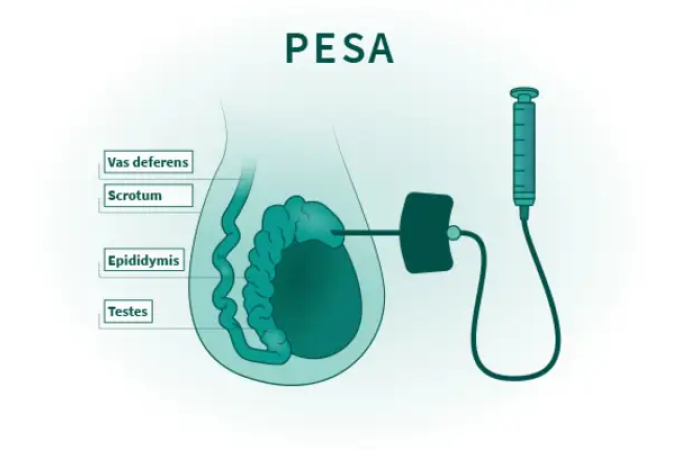
PESA is short for Percutaneous Epididymal Sperm Aspiration. Instead of collecting sperm from the testicle itself, we extract it from the epididymis – the small coiled tube behind each testicle where sperm is stored and matures.
PESA suits men with obstructive azoospermia caused by a vas deferens blockage, or those who have had a previous vasectomy. The procedure is even less invasive than TESA, takes around 20 to 30 minutes, and is done under local anaesthesia. Most men experience only mild soreness for a couple of days afterwards. The retrieved sperm is used in an ICSI cycle, usually the same day.
Micro-TESE
Micro-TESE is Microsurgical Testicular Sperm Extraction. This is the more advanced option, used for men with non-obstructive azoospermia – where the testicles are not producing sperm in any meaningful quantity, or where production is patchy and unpredictable across the tissue.
Under an operating microscope, the surgeon examines the testicular tissue and picks out the tiny seminiferous tubules most likely to contain viable sperm. It is painstaking work, often taking two to four hours, and recovery is a little longer than TESA or PESA – generally a week before normal activities resume. The reason we still recommend it is the success rate. Micro-TESE finds usable sperm in roughly 50 to 60 percent of non-obstructive azoospermia cases where standard TESA would come back empty.
Testicular Tissue Biopsy
A testicular tissue biopsy is sometimes done as a diagnostic step rather than as a sperm retrieval procedure. A small piece of testicular tissue is removed and sent for histological analysis. The pathologist examines whether sperm is being produced inside the testicle, even when none is showing up in the ejaculate.
This information helps decide the right next step – whether Micro-TESE is worth attempting, whether hormonal treatment might restart production, or whether donor sperm is the more practical option to think about. The biopsy itself is a short procedure done under local anaesthesia, and the report usually comes back within a week.
Common Causes of Male Infertility

Male infertility rarely has a single neat cause. More often, it is a mix of factors layered on top of each other. The common ones we see at OMA include:
Varicocele
Enlarged veins in the scrotum raise testicular temperature and reduce sperm production. Varicocele is found in about 15 percent of all men, but in 40 percent of men with infertility. Usually correctable with a minor surgery.
Hormonal imbalances
Low testosterone, high prolactin, thyroid problems, or pituitary issues can all interfere with sperm production. Blood tests pick these up, and many respond well to medication.
Infection
Past or current infections like mumps orchitis (often from childhood), STIs, or chronic prostatitis can damage sperm-producing tissue or cause blockages.
Genetic factors
Conditions such as Klinefelter syndrome or Y-chromosome microdeletions affect sperm production. Less common, but worth testing for when the standard explanations don’t fit the picture.
Lifestyle
Smoking, heavy alcohol use, recreational drug use, obesity, and chronic heat exposure (saunas, hot tubs, laptops on the lap) all reduce sperm quality. The good news here is that these are within your control.
Environmental and occupational exposure
Pesticides, heavy metals, radiation, and certain industrial chemicals affect sperm count. Men working in specific industries should mention this during the workup.
Medications and past treatments
Anabolic steroids, some antidepressants, certain blood pressure medicines, and previous chemotherapy or radiation can all affect fertility. We always ask for a full medication history.
Ejaculation problems
Conditions like retrograde ejaculation, where semen enters the bladder rather than exiting, are sometimes the issue and are often treatable once identified.
Idiopathic infertility
In roughly 20 to 25 percent of male infertility cases, no clear cause is found despite full testing. Treatment then focuses on improving outcomes through assisted reproductive techniques rather than chasing a diagnosis that may not exist.
Age plays a quieter role in men than in women, but it isn’t zero. Sperm DNA integrity gradually declines after 40 to 45, even when the basic count still looks normal on a semen report.
Most male infertility issues are treatable.
If you have been waiting and wondering, a proper consultation will tell you exactly where you stand and what your options are. Book an appointment at OMA Hospital today.
Why Choose OMA Hospital for Male Infertility Treatment in Mumbai?

There are several reasons couples choose OMA for male infertility care:
Couple-centred approach
We don’t treat the male partner as an afterthought. Both partners get tested and counselled together from the first visit, which usually saves months of confusion further down the line.
In-house andrology lab
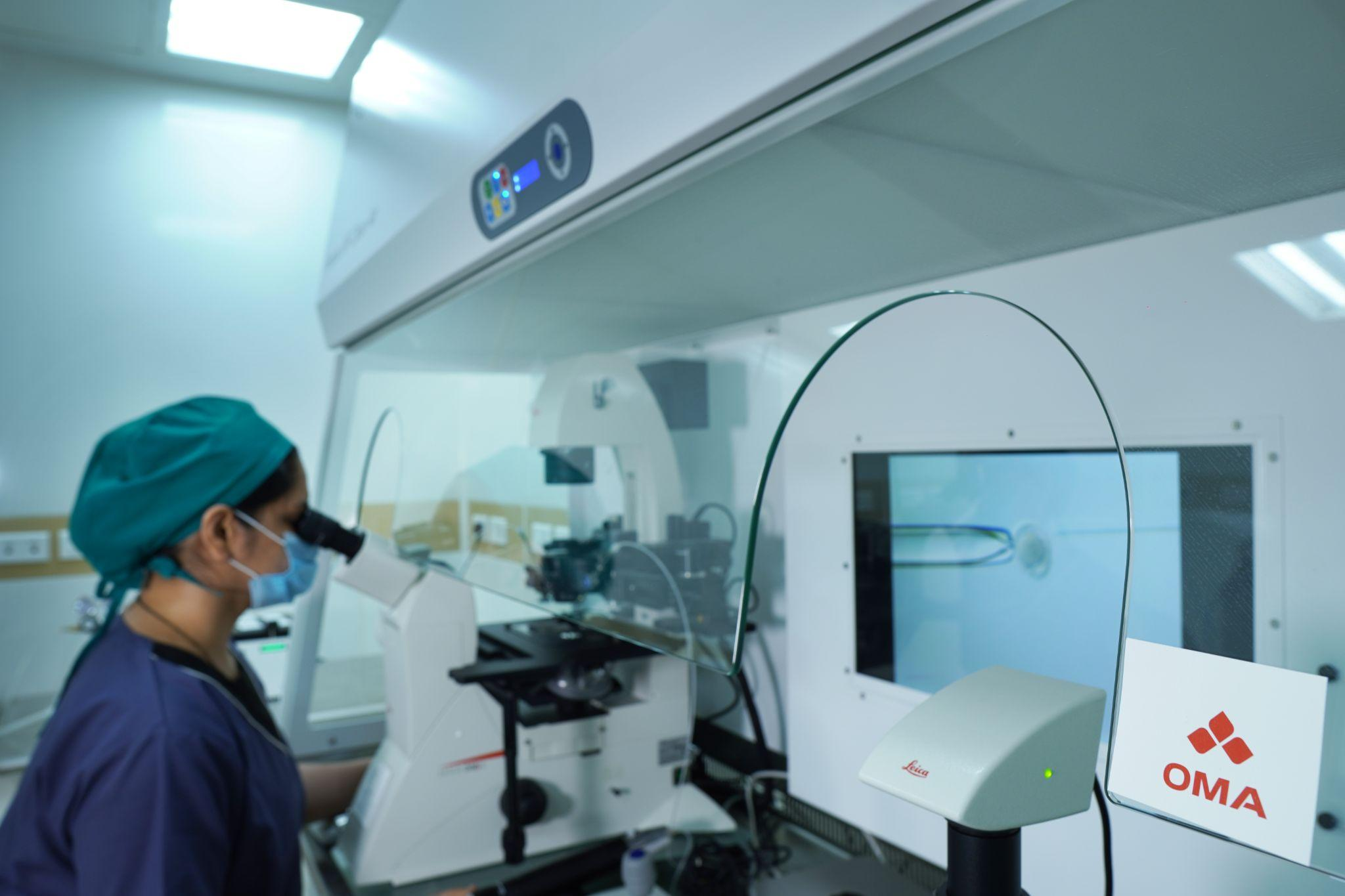
Our embryologists and andrology team work in the same lab. Sperm retrieved through TESA, PESA, or Micro-TESE goes directly for ICSI without transport delays. That matters for sperm quality.
Surgical experience
Surgical sperm retrieval is a technique-dependent procedure. Our team performs these regularly rather than occasionally, and that experience shows up in retrieval success rates.
Discreet, respectful care
Male infertility carries a cultural weight in India that female infertility often doesn’t. The conversations need to be handled carefully, and our team is trained for that.
One hospital, one team
From diagnosis through ICSI and embryo transfer to pregnancy, care happens under one roof. You are not coordinating between three different clinics. Read more about OMA Hospital.
Transparent costs
We talk through what each step costs before you commit. No surprise add-ons mid-treatment.
Connected to a full fertility programme
Our male infertility work sits within a wider IVF and gynaecology programmeled by Dr. Tanuja Uchil, with over two decades of experience in reproductive medicine and a fellowship in reproductive medicine from Germany.
FAQs
1. Is male infertility curable?
In many cases, yes. Hormonal issues, varicocele, infections, and lifestyle-driven sperm problems often respond well to treatment. Even in harder cases like non-obstructive azoospermia, ICSI combined with surgical sperm retrieval lets most couples have a biological child.
2. How long does it take to know if treatment is working?
For lifestyle and medication-based treatment, sperm parameters usually start improving in 3 to 6 months, because that is roughly how long it takes the body to produce a fresh batch of sperm. Surgical retrieval results are known on the same day as the procedure.
3. Is a semen analysis enough to diagnose male infertility?
It is the starting point, not the final word. If the result is abnormal, we run additional tests – hormone panels, scrotal ultrasound, DNA fragmentation, and sometimes genetic testing – to understand the underlying cause before recommending treatment.
4. Can age affect male fertility?
Yes, though more gradually than in women. After 40 to 45, sperm DNA integrity drops, motility decreases, and the risk of certain genetic conditions in offspring rises slightly. It is not a sharp cliff, but it is a slope worth knowing about.
5. Can stress cause male infertility?
Chronic stress affects cortisol and testosterone, which can influence sperm production. It is rarely the sole cause, but it adds to other issues. Sleep, regular exercise, and stress management make a real difference, especially in the months leading up to a treatment cycle.
Related Reading
If you are also reading up for the female partner or for couple-level planning, these may help:
- What to Do After a Failed IVF Cycle
- Frozen vs Fresh Embryo Transfer: Which Wins?
- Egg Freezing: Process, Timeline & Right Age
- All OMA Hospital blogs
