

Egg and Sperm Donation in Mumbai
For a long time, infertility was treated as a women’s issue. That assumption is wrong, and clinically wrong too. Around 40 to 50 percent of couples who struggle to conceive are dealing with a male factor – either as the primary reason or as part of a combined picture. At OMA Hospital, we don’t put the female partner through a full workup while the male partner only does a single semen test and goes home. Both partners are evaluated properly from the start, because a fertility issue in the male partner is treatable in most cases, often more straightforward than people expect.
Our male infertility treatment in Mumbai covers the full range – from improving sperm quality through medication and lifestyle changes, to surgical sperm retrieval techniques like TESA, PESA, and Micro-TESE for men who have no measurable sperm in their ejaculate. The hospital is based in Chembur, and our male fertility work sits inside a broader infertility treatment programme so that whatever the male partner needs links up seamlessly with the female partner’s care.

Understanding Donor Services for Fertility Treatment
Donor services come into play when one or both partners cannot use their own eggs or sperm to achieve a pregnancy. The cause might be biological – premature ovarian failure, severe male factor infertility, repeated IVF failures, or a genetic condition that risks being passed on. Sometimes it is age-related, when egg or sperm quality has declined past the point where treatment with the couple’s own gametes has a realistic chance of working.
There are three main donor pathways in fertility care:
Egg donation –
eggs from a screened donor are fertilised with the male partner’s sperm and the embryo is transferred to the female partner’s uterus.
Sperm donation –
donor sperm is used either in IUI or with the female partner’s eggs in IVF / ICSI.
Embryo donation –
when both partners need donor gametes, embryos formed from donated gametes may be used after appropriate consent and screening.
We discuss each of these in detail during your consultation, often as part of a broader IVF treatment plan. The right pathway depends on your medical situation, your preferences, and the legal framework you are working within.
Egg Donation in Mumbai – A Path to Parenthood
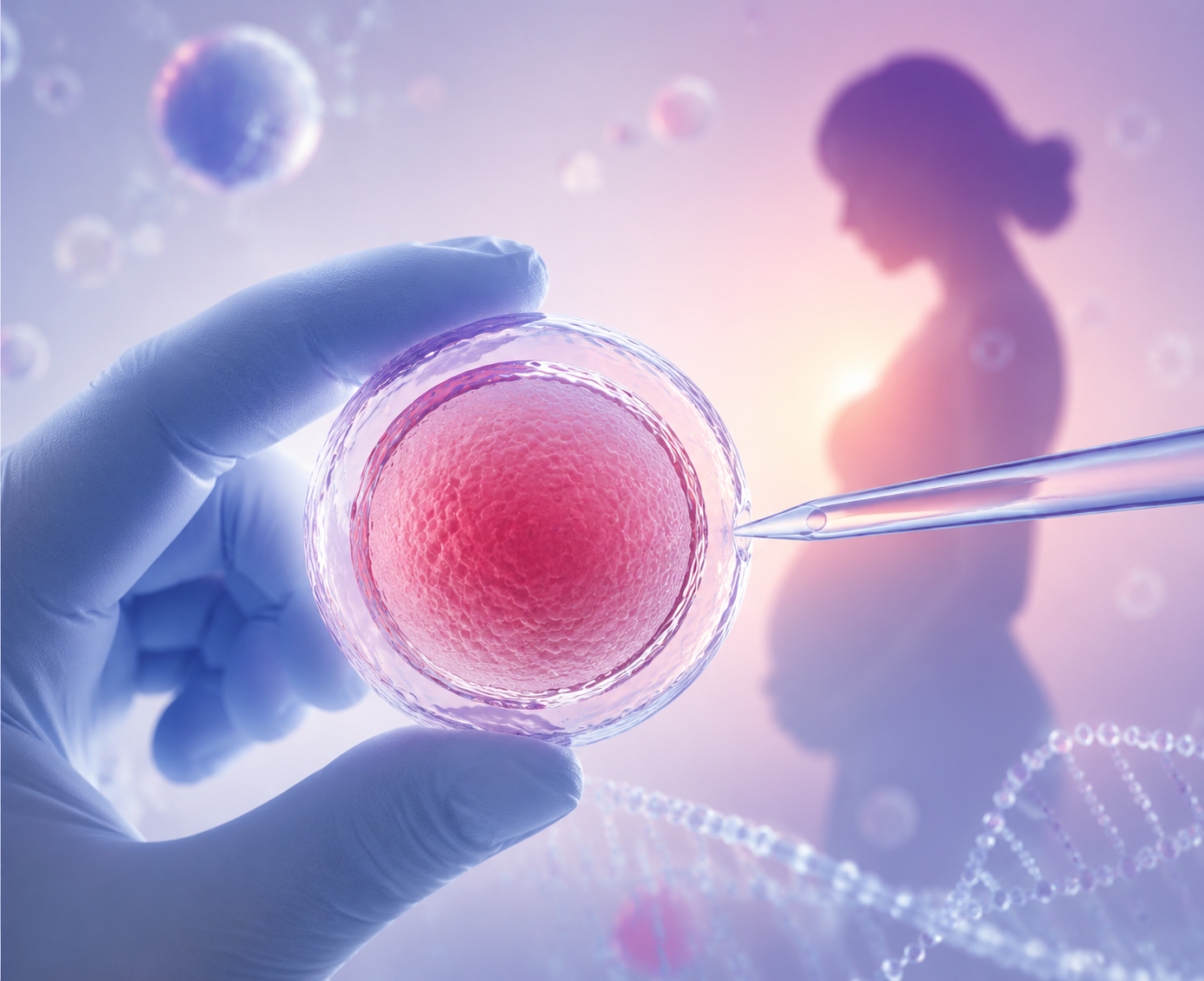
Egg donation in Mumbai is one of the most established solutions for women who cannot conceive using their own eggs. The reasons vary. Some women face premature ovarian failure in their late 20s or early 30s. Others have undergone cancer treatment in the onco-gynaecology unit that affected ovarian function. Many women in their 40s discover, after months of testing and trying, that egg quality has dropped below what IVF can realistically work with. For women carrying a serious genetic condition, donor eggs can also prevent passing it on to the next generation.
Here is what the process looks like at OMA:
We confirm the medical need for egg donation through testing and consultation
We match the recipient with an appropriate donor through a registered ART bank
The donor undergoes ovarian stimulation and egg retrieval
Retrieved eggs are fertilised in the lab with the male partner’s sperm (or donor sperm where needed)
The resulting embryo is transferred into the female partner’s uterus
The recipient takes hormonal medication to prepare the uterine lining for implantation. The complete cycle, from donor stimulation to embryo transfer, typically takes 4 to 6 weeks. Pregnancy rates with donor eggs are generally higher than with own eggs after 40, because the eggs come from younger, screened donors. We are honest about expected outcomes upfront, so there are no false hopes set up early on.
Considering donor eggs?
A one-on-one consultation will help you understand whether this is the right route for your situation.
Egg Donors in Mumbai – Selection & Screening Process
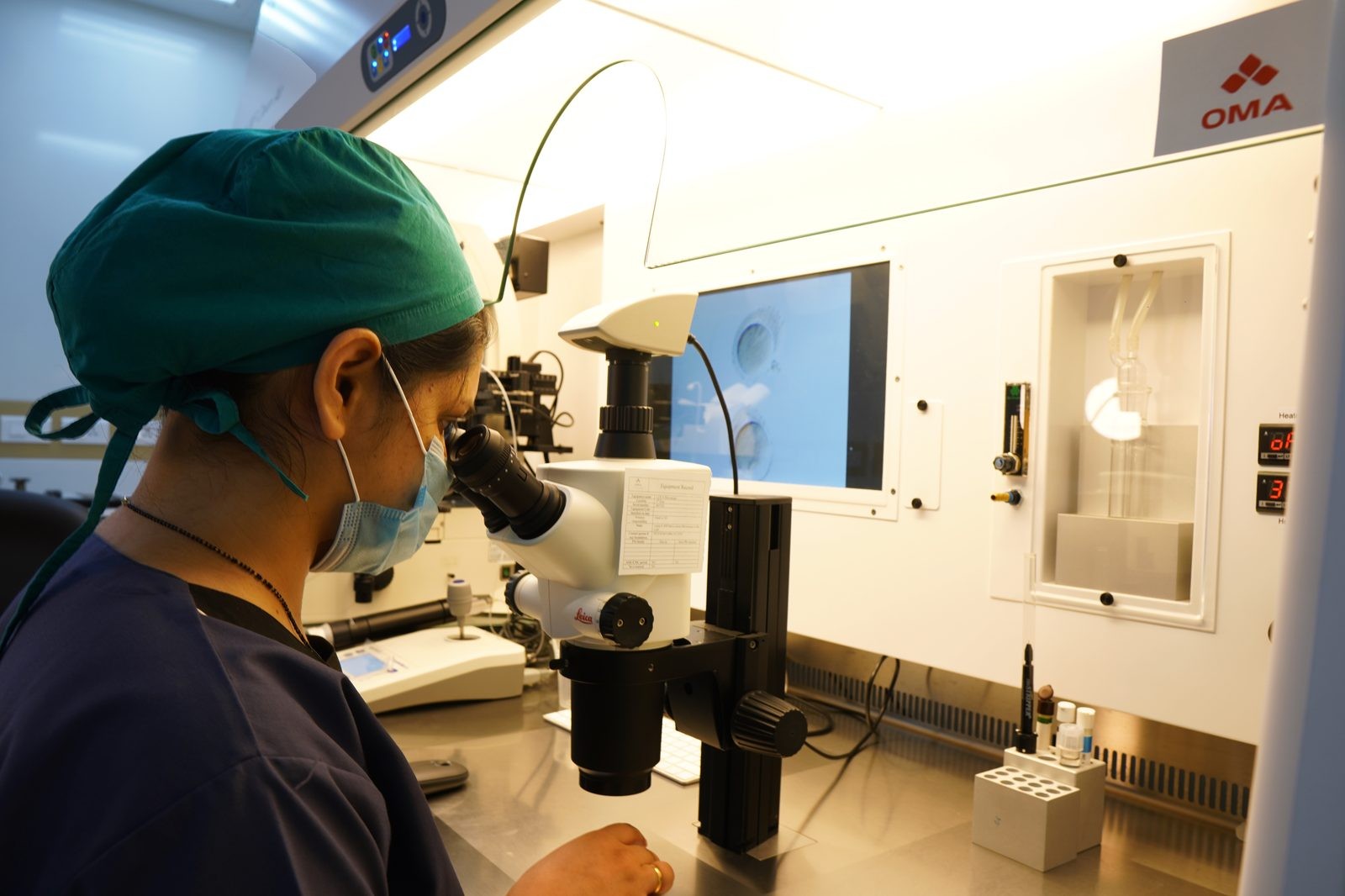
Egg donors in Mumbai are carefully selected. We do not compromise on this. Under the ART Act 2021, egg donors must be married women between 23 and 35 years of age, with at least one healthy child of their own. They can donate only once in their lifetime, and the number of eggs retrieved per cycle is also regulated. These rules exist to protect both the donor and any future child.
Screening involves:
Detailed medical and family history review
Blood tests covering HIV, hepatitis B and C, syphilis, and other infections
Genetic screening for common heritable conditions
Hormonal profile and ovarian reserve assessment
Pelvic ultrasound
Psychological evaluation, since this is not just a physical decision
We work only with donors sourced from ART banks registered with the National Medical Commission. Documentation is complete, anonymity is maintained as required by law, and the recipient couple receives non-identifying information about the donor – physical traits, blood group, education, general health background – to help them make an informed choice without compromising donor privacy.
Sperm Donation in Mumbai for Male Fertility Challenges
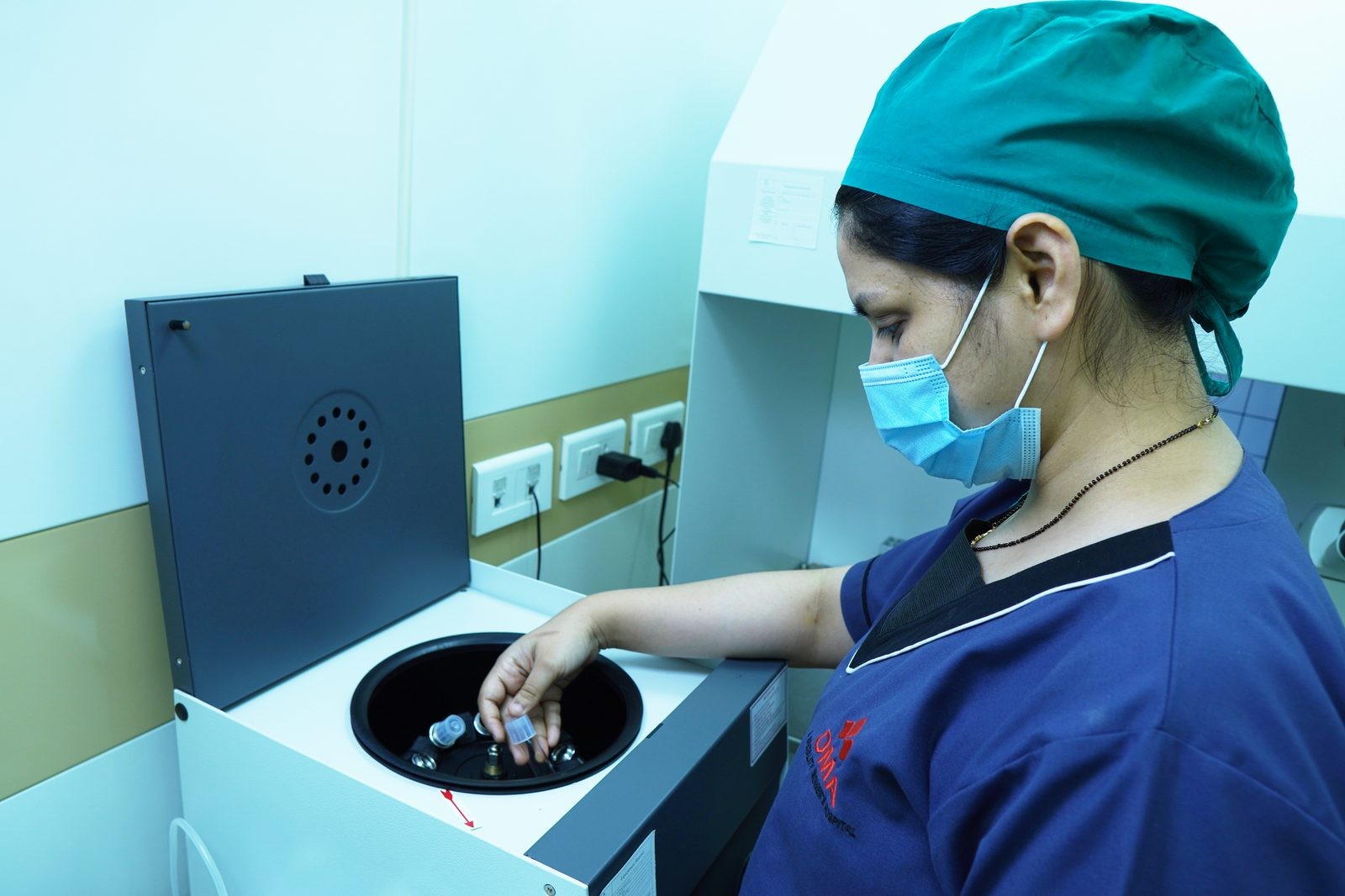
Sperm donation in Mumbai becomes the right option when the male partner cannot produce viable sperm, when previous surgical sperm retrieval attempts (TESA, PESA, Micro-TESE) have not yielded usable samples, or when there is a serious genetic condition that should not be passed on. It is also part of treatment plans where partner sperm quality is too poor to give ICSI a realistic chance.
Donor sperm can be used in two main ways:
IUI (intrauterine insemination) –
for couples where the female partner has no significant fertility issues.
IVF or ICSI –
when the female partner also has fertility concerns, or when more control over the cycle is needed.
Pregnancy rates with donor sperm tend to be strong, especially when used alongside a healthy female partner. Sperm from a registered ART bank has been screened, frozen, held in quarantine, and re-tested before release – a level of safety that informal arrangements simply cannot match.
Exploring sperm donation?
Our specialists can walk you through what the process looks like, step by step. Schedule a confidential consultation today.
Sperm Donor in Mumbai – Safe, Screened & Confidential Process
Choosing a sperm donor in Mumbai is not something arranged over the phone or through informal contacts. There is a structured screening and consent process to make sure the donor meets every medical, legal, and ethical standard expected of a regulated donor programme.
Under Indian law, sperm donors must be:
Between 21 and 55 years of age
Free of infectious diseases including HIV, hepatitis, syphilis, and others on the standard screening panel
Free of major heritable genetic disorders
Registered through a recognised ART bank, not sourced informally
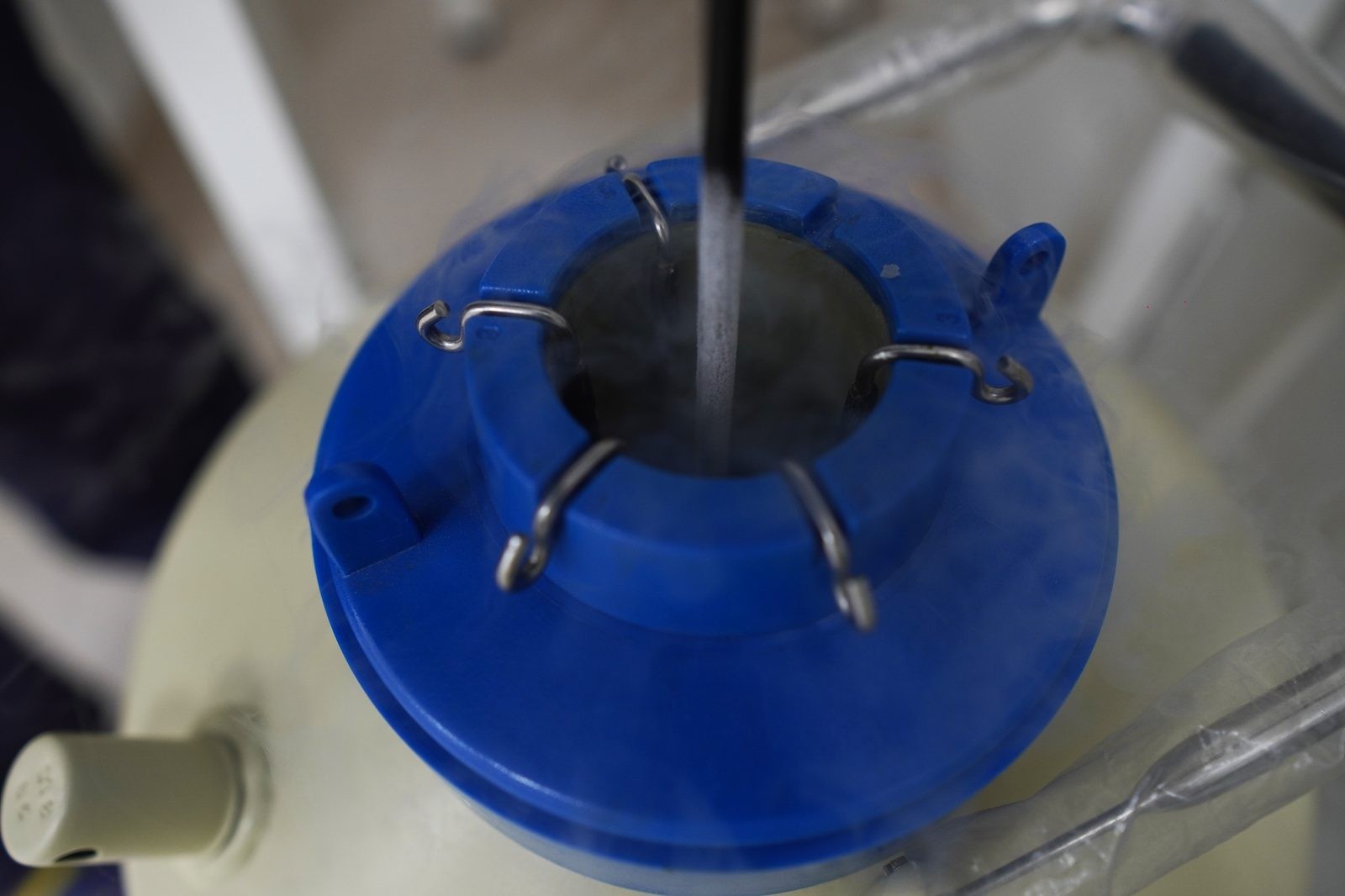
Sperm samples are frozen and held in quarantine for six months before release. During that window, the donor is re-tested to rule out infections that may not have been detectable at the time of the original screening. Once cleared, the sample becomes available for use. Recipients receive non-identifying information about the donor – blood group, height, complexion, occupation, education level – so they can choose with some sense of compatibility, but the donor’s identity remains confidential, as required by law.
We have worked with the same vetted ART bank partners for years. That continuity means consistent standards and complete documentation for every sample we use.
How Donor Fertility Treatment Works
The exact steps depend on whether you are using donor egg, donor sperm, or both. Here is a simplified picture of what a typical donor cycle at OMA looks like:
Initial consultation and confirmation of medical need for donor treatment
Counselling covering emotional, ethical, and legal aspects of donor cycles
Donor matching through a registered ART bank
Synchronisation of donor and recipient cycles (for fresh egg donation)
Preparation of recipient’s uterine lining through hormonal medication
Egg retrieval from donor, or thawing of donor sperm
Fertilisation in the lab (IVF or ICSI)
Embryo transfer into recipient’s uterus
Pregnancy test roughly two weeks after transfer
The whole process generally takes 4 to 8 weeks from start to embryo transfer, depending on whether fresh or frozen gametes are used and how the cycles align. We schedule everything around the recipient couple, so there are no unnecessary delays. If a frozen embryo transfer is more suitable in your case, that adds flexibility to the timing.
Questions about safety or what the process feels like?
A confidential consultation is the right place to start.
Safety, Confidentiality & Legal Guidelines for Donor Programs
This is the section we wish more clinics took seriously. Donor programmes in India are regulated under the ART Act 2021 and the Surrogacy (Regulation) Act 2021. The rules exist for a reason – to protect the donor, the recipient, and most importantly the future child.
What we follow at OMA:
All donors sourced through registered ART banks.
No informal arrangements, no relatives donating for unspecified favours, no off-the-books deals.
Full screening documentation.
Every donor’s medical, genetic, and infection status is documented and verifiable.
Anonymous and confidential.
The donor’s identity is not disclosed to the recipient, and the recipient’s identity is not disclosed to the donor.
Written informed consent.
Both donor and recipient sign comprehensive consent documents covering medical procedures, legal rights, and child-related responsibilities.
Limits on donations.
Egg donors donate only once in a lifetime. Sperm donors have a fixed cap on how many successful pregnancies their sample can result in, which protects against future genetic crossover risks.
Privacy of records.
All records are stored securely and are accessible only to authorised hospital and bank personnel.
Why Choose OMA Hospital as a Trusted Sperm Donor Hospital in Mumbai?
Several reasons couples choose OMA as their sperm donor hospital in Mumbai:
Full ART Act compliance.
Every step of our donor programme follows current Indian regulation. No grey areas, no workarounds.
Vetted ART bank partnerships.
We work with established, reputable banks whose donor screening matches international standards.
Counselling built into the process.
Donor cycles are not just medical procedures. There is an emotional layer, and both partners have space to talk it through before consenting.
In-house IVF lab.
The donor cycle, fertilisation, and embryo transfer all happen under one roof. No transport delays, no chain-of-custody concerns. Read more about OMA Hospital.
Experienced clinical leadership.
Tanuja Uchil has over 20 years of experience in reproductive medicine and oversees every donor cycle personally.
Discreet, respectful environment.
Donor treatment carries emotional weight. Our staff and the space itself are set up to handle these conversations with privacy and care.
Transparent pricing.
Donor cycle costs are itemised upfront – donor fees, screening, retrieval, lab work, transfer. No surprise charges.
Continuum of care.
From donor cycle through pregnancy and delivery, our maternity team and gynaecology team take over without missing a beat.
FAQs
1. Is donor fertility treatment legal in India?
Yes, when conducted under the ART Act 2021 through registered ART banks and licensed clinics.
2. Will I know who the donor is?
No. Donor anonymity is mandatory under Indian law. You receive non-identifying details only.
3. What are the success rates with donor eggs or sperm?
Generally higher than using one’s own gametes after a certain age, especially with donor eggs after 40. Exact numbers depend on the recipient’s reproductive health.
4. Can the donor claim any rights over the child later?
No. Indian law clearly establishes the recipient couple as the legal parents, with no claim from the donor.
5. How much does donor fertility treatment cost?
Donor egg cycles are generally more expensive than donor sperm cycles. We share a clear, itemised estimate during your consultation.
6. How long is the wait for a matched donor?
Sperm samples are usually available immediately. Egg donor matching can take a few weeks to a few months depending on availability and matching preferences.
7. Is donor sperm safer than partner sperm?
Not safer – just an option when partner sperm cannot be used. Donor sperm goes through strict screening and a six-month quarantine before release.
Related Reading
Useful follow-on reading as you weigh your options: