

Egg freezing (oocyte cryopreservation) is a 2-3 week process involving hormone stimulation and surgical retrieval, ideally performed in a woman’s late 20s to early 30s for best egg quality. While possible up to the early 40s, freezing before age 35 offers the highest success rates for future pregnancy, typically requiring 15-20 mature eggs.
According to Dr. Tanuja Uchil, Obstetrician and Gynecologist in Mumbai,
“Egg freezing works best when it’s planned, not panicked, and the right window is usually earlier than most women think, because freezing eggs at 33 gives far better future success than freezing them at 39.”
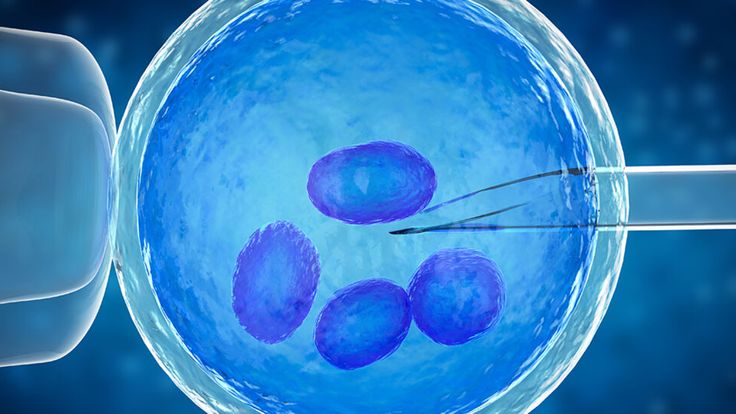
Here’s how it actually works
What Is the Egg Freezing Process and Timeline?
The egg freezing process is a structured 2 to 3 week medical pathway at OMA Hospital with patient-specific protocols managed at each clinical stage.
- Fertility Workup First: A complete pre-cycle assessment includes AMH, FSH, LH, estradiol, thyroid function, prolactin, and a transvaginal ultrasound to check antral follicle count. These numbers together project how many mature eggs a single cycle is likely to produce for each individual patient.
- Daily Hormonal Injections: Ovarian stimulation starts on day 2 or 3 of the menstrual cycle with daily injections of FSH and LH analogues continued for 10 to 12 days, while monitoring scans every two to three days track follicle growth and medication dosage is adjusted to optimise individual response.
- Egg Retrieval Procedure: A trigger injection is given when lead follicles reach optimal size of 17 to 20 mm. Egg retrieval is performed exactly 34 to 36 hours later as a 20 to 30 minute outpatient procedure under mild sedation, with eggs collected through a thin needle guided by real-time transvaginal ultrasound.
- Vitrification and Storage: Retrieved eggs are immediately assessed for maturity in the embryology lab, only metaphase II mature eggs proceed to vitrification, a rapid flash-freezing method that prevents ice crystal damage, after which they are stored in liquid nitrogen at minus 196°C until needed for future IVF use.
Most women resume normal day-to-day activity within 24 to 48 hours of retrieval, and frozen eggs remain viable for 10 years or longer with no measurable decline in pregnancy outcomes regardless of storage duration.
So what’s the actual decision driver?
What Is the Right Age to Freeze Your Eggs?
The right age to freeze eggs lies in the decade between late twenties and early thirties when biology and personal timing align most favourably for future outcomes.
Age Range | Mature Eggs per Cycle | Future Success Rate | Recommendation |
28 to 32 | 10 to 15 eggs | High | Optimal freezing window |
33 to 35 | 8 to 12 eggs | Good | Still highly effective |
36 to 37 | 6 to 10 eggs | Moderate | May need 2 cycles to bank enough |
38 and above | 4 to 8 eggs | Lower | Consider embryo freezing with partner or donor sperm |
- Peak Window (28-32): Egg quality sits at its biological peak and ovarian reserve remains strong, and a single cycle in this age window typically retrieves 10 to 15 mature eggs, giving a meaningful chance at future pregnancy whenever those eggs are eventually thawed and used through IVF later in life.
- Strong Years (33-35): Outcomes remain highly favourable in this bracket and most professional women in Indian metros like Mumbai act on the decision during these years, usually after weighing career, partner, and personal priorities carefully over a year or two of consideration before booking the cycle.
- Late Thirties (36-37): Retrieval yields decline noticeably with each successive year past 35. Women in this age group often need 2 complete cycles to bank a clinically useful number of mature eggs that will hold up well through years of frozen storage and future thawing.
- Past Age 38: Both ovarian reserve and egg quality decline at a quicker pace. Women in this category are usually advised to consider embryo freezing with a partner or donor sperm instead, as fertilised embryos hold up better through long-term cryopreservation than unfertilised eggs at this stage.
Egg freezing decisions are built on personal AMH levels and antral follicle count rather than age alone, and for more on whether the procedure genuinely fits women in their thirties, our blog on egg freezing for women in their 30s covers this in detail.
Why Choose OMA Hospital ?
Dr.Tanuja Uchil brings over 25 years of obstetrics and gynecology experience, MD from Seth GS Medical College and KEM Hospital, plus advanced training in reproductive medicine from Kiel, Germany to egg freezing and fertility preservation at OMA Hospital, Mumbai. She leads women’s health services at OMA with focus on individualised fertility protocols built around personal AMH levels and antral follicle count rather than generic age-based cutoffs. Patients wanting to understand whether egg freezing fits their specific age and fertility goals are seen here with each case reviewed personally during the initial consultation.
FAQ
How many eggs should I freeze for future pregnancy?
Most fertility specialists recommend banking 15 to 20 mature eggs for a realistic chance of one or two future pregnancies through IVF.
How long can frozen eggs be stored?
Frozen eggs remain viable for 10 years or longer with no measurable decline in pregnancy outcomes regardless of storage duration.
Is egg freezing painful?
The hormonal injections cause mild discomfort and retrieval is done under mild sedation, so most women describe only mild cramping for 24 to 48 hours afterwards.
Can frozen eggs guarantee pregnancy later?
Egg freezing improves future chances but does not guarantee pregnancy, as success depends on egg quality at freezing, uterine health, and IVF success rates at time of use.
How much does egg freezing cost in Mumbai?
Egg freezing costs ₹80,000 to ₹2,00,000 per cycle in Mumbai, plus annual storage of ₹15,000 to ₹30,000 depending on the clinic.
References:
- Egg Freezing (Oocyte Cryopreservation) – American Society for Reproductive Medicine (ASRM)
- Fertility Preservation – World Health Organization (WHO)