

Egg and Sperm Donation: A Complete Guide
Egg and sperm donation are third-party reproductive techniques that help individuals and couples have a child when their own eggs, sperm, or embryos cannot be used. The need can be biological – premature ovarian failure, severe male factor infertility, repeated IVF failures, or a heritable genetic condition. It can also be age-related, where gamete quality has declined past the point at which treatment with one’s own cells has a realistic chance of success.
In India, donor fertility treatment is regulated under the Assisted Reproductive Technology (Regulation) Act, 2021. The law sets out donor eligibility criteria, screening requirements, anonymity rules, and parental rights, and it permits donation only through ART banks registered with the National Medical Commission. This guide explains how donor fertility treatment works, what the screening and matching process involves, what the law requires, and how outcomes compare across different scenarios.
Understanding Donor Services for Fertility Treatment
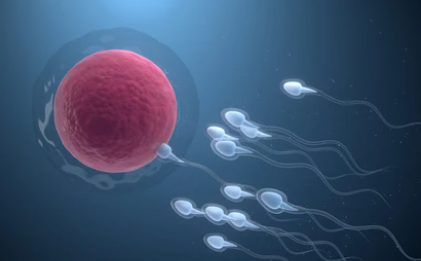
Donor services come into play when one or both partners cannot use their own gametes (eggs or sperm) to achieve a pregnancy. Globally, donor cycles account for roughly 5 to 10 percent of all assisted reproductive technology cycles, with the proportion rising in countries where the average age at first pregnancy has increased.
There are three main donor pathways in fertility care:
Egg donation –
eggs from a screened donor are fertilised with the male partner’s sperm in the laboratory, and the resulting embryo is transferred to the female partner’s uterus.
Sperm donation –
donor sperm is used in IUI (intrauterine insemination) or in combination with the female partner’s eggs through IVF or ICSI.
Embryo donation –
embryos formed from donated gametes may be used when both partners need donor cells, subject to consent and screening requirements.
The choice between these depends on the underlying diagnosis, the age and reproductive health of the recipient, and the legal framework. India’s ART Act permits all three pathways under defined conditions, as part of a broader IVF and assisted reproductive treatment framework.
The first recorded successful birth from a donor egg occurred in 1984 in Australia. Sperm donation has a longer history – successful pregnancies using donor sperm date back to the late 19th century, though regulated, ethically governed donor programmes became widespread only after the development of cryopreservation in the 1960s and 70s. Modern techniques, particularly vitrification of eggs and ICSI for severe male factor cases, have substantially improved success rates and broadened the range of patients donor programmes can help.
Egg Donation – A Path to Parenthood
Egg donation is among the most established forms of third-party reproduction. The medical situations that typically lead a couple to consider it include:
Premature ovarian insufficiency, where the ovaries stop functioning before age 40
Diminished ovarian reserve associated with advancing age, most relevant for women in their 40s
Repeated IVF failure linked to poor egg quality
Genetic disorders that would otherwise be passed to children
Loss of ovarian function following cancer treatment, surgery, or autoimmune conditions
Conditions such as Turner syndrome that affect ovarian development
The process on the recipient’s side involves cycle synchronisation with the donor (for fresh donation) or preparation of the uterine lining (for frozen donor eggs). The recipient takes oestrogen and progesterone to prepare the endometrium for implantation. The donor undergoes ovarian stimulation followed by egg retrieval under sedation. Retrieved eggs are fertilised with the partner’s sperm using either standard IVF or ICSI, and the resulting embryo is transferred to the recipient’s uterus approximately 3 to 5 days later.
The full timeline from start of medication to embryo transfer is typically 4 to 6 weeks. Pregnancy rates with donor eggs are notably higher than rates achieved with own eggs in women over 40. Published data from international ART registries place live birth rates per donor egg cycle broadly between 45 and 55 percent, with relatively little variation by recipient age. This is because the eggs themselves come from young, screened donors, while the uterine receptivity that primarily determines outcome is preserved in most women into their early 50s with appropriate hormonal support.
Egg Donor Selection & Screening Process
Egg donors in India operate under specific eligibility rules set by the ART Act 2021. The legal requirements include:
Donors must be married women between 23 and 35 years of age
Donors must have at least one healthy living child of their own
A woman can donate eggs only once in her lifetime
Egg retrieval is permitted only through an ART bank registered with the National Medical Commission
The number of mature oocytes retrieved per cycle is regulated
Beyond legal eligibility, screening typically covers:
Detailed medical and three-generation family history
Infectious disease screening covering HIV-1 and HIV-2, hepatitis B, hepatitis C, syphilis, and additional pathogens as per protocol
Genetic carrier screening for common heritable conditions
Hormonal profile including AMH and FSH to assess ovarian reserve
Pelvic ultrasound to confirm normal reproductive anatomy
Psychological evaluation, given the emotional dimensions of donation
After clearance, the donor undergoes ovarian stimulation under medical supervision. Recipients receive non-identifying information about the donor – physical traits, blood group, education, general health background – which supports informed choice without compromising donor privacy. The donor’s identity remains confidential, as required by Indian law.
Sperm Donation for Male Fertility Challenges
Sperm donation is the appropriate option in several distinct clinical situations:
Azoospermia (no sperm in the ejaculate) where surgical sperm retrieval techniques such as TESA, PESA, or Micro-TESE have not yielded usable samples. More information on these procedures is available in the male infertility treatment overview.
Severe oligospermia or asthenospermia, where sperm quality is too poor to support ICSI with a realistic chance of fertilisation
Heritable genetic conditions, where the male partner would otherwise pass a disorder on to children
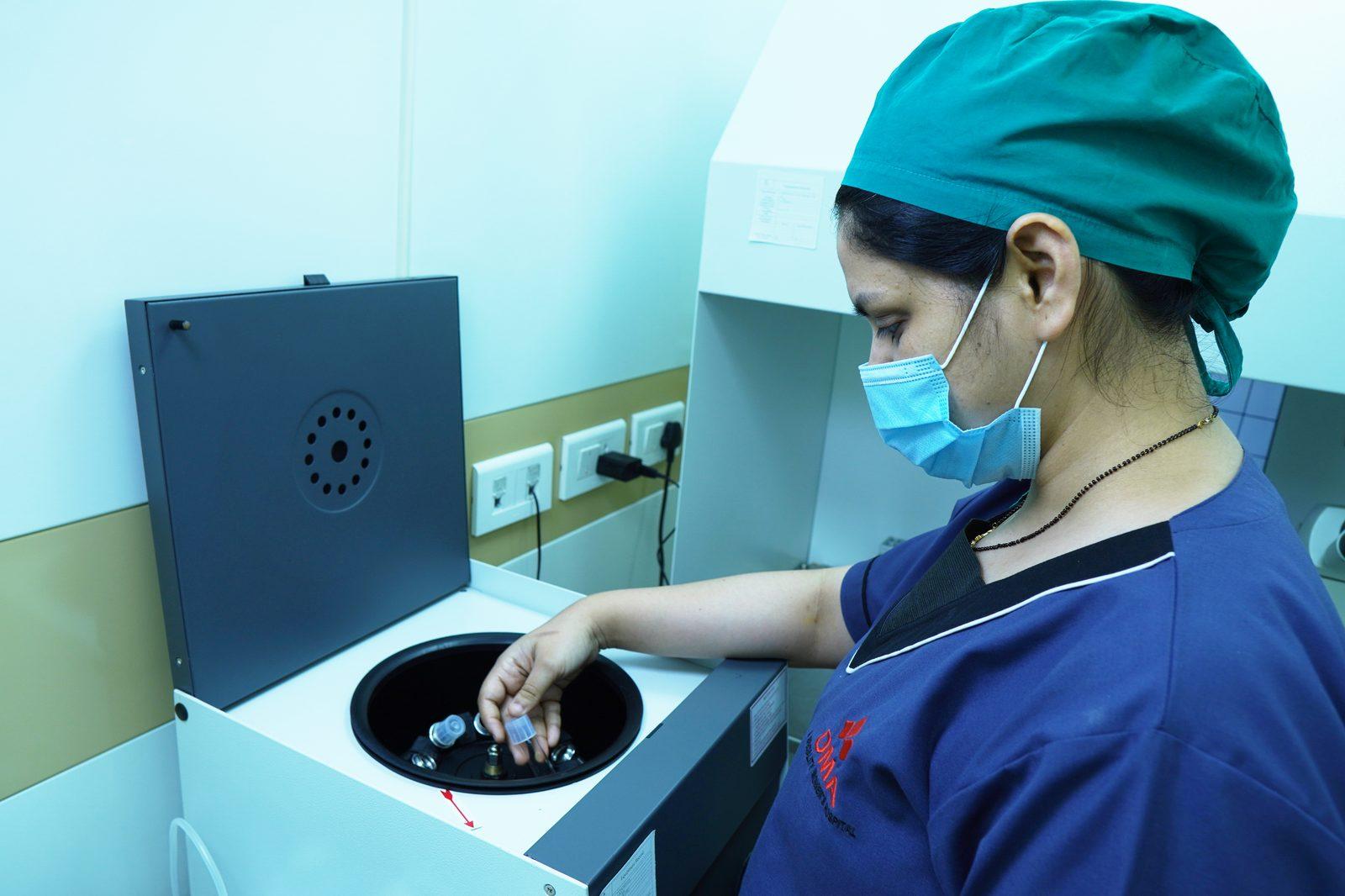
Cancer survivors who did not bank sperm prior to chemotherapy or radiation. Banking before treatment, where time allows, is discussed under fertility preservation.
Beyond legal eligibility, screening typically covers:
IUI (intrauterine insemination) –
prepared donor sperm is placed directly into the uterus around the time of ovulation, used when the female partner has no significant fertility issues.
IVF or ICSI –
used when the female partner also has fertility concerns, when previous IUI cycles have failed, or when more cycle control is required.
Pregnancy rates with donor sperm tend to be strong, particularly when used with a fertile female partner. Donor sperm from a registered ART bank has been screened, frozen, held in quarantine, and re-tested before release – a level of safety that informal arrangements cannot match.
Sperm Donor Selection: Safe, Screened & Confidential Process
Selecting a sperm donor is governed by a structured screening and consent process designed to meet medical, legal, and ethical standards.
Under Indian law, sperm donors must be:
Between 21 and 55 years of age
Free of infectious diseases on the standard screening panel, including HIV-1, HIV-2, hepatitis B, hepatitis C, and syphilis
Free of major heritable genetic disorders
Registered through a recognised ART bank, not sourced informally
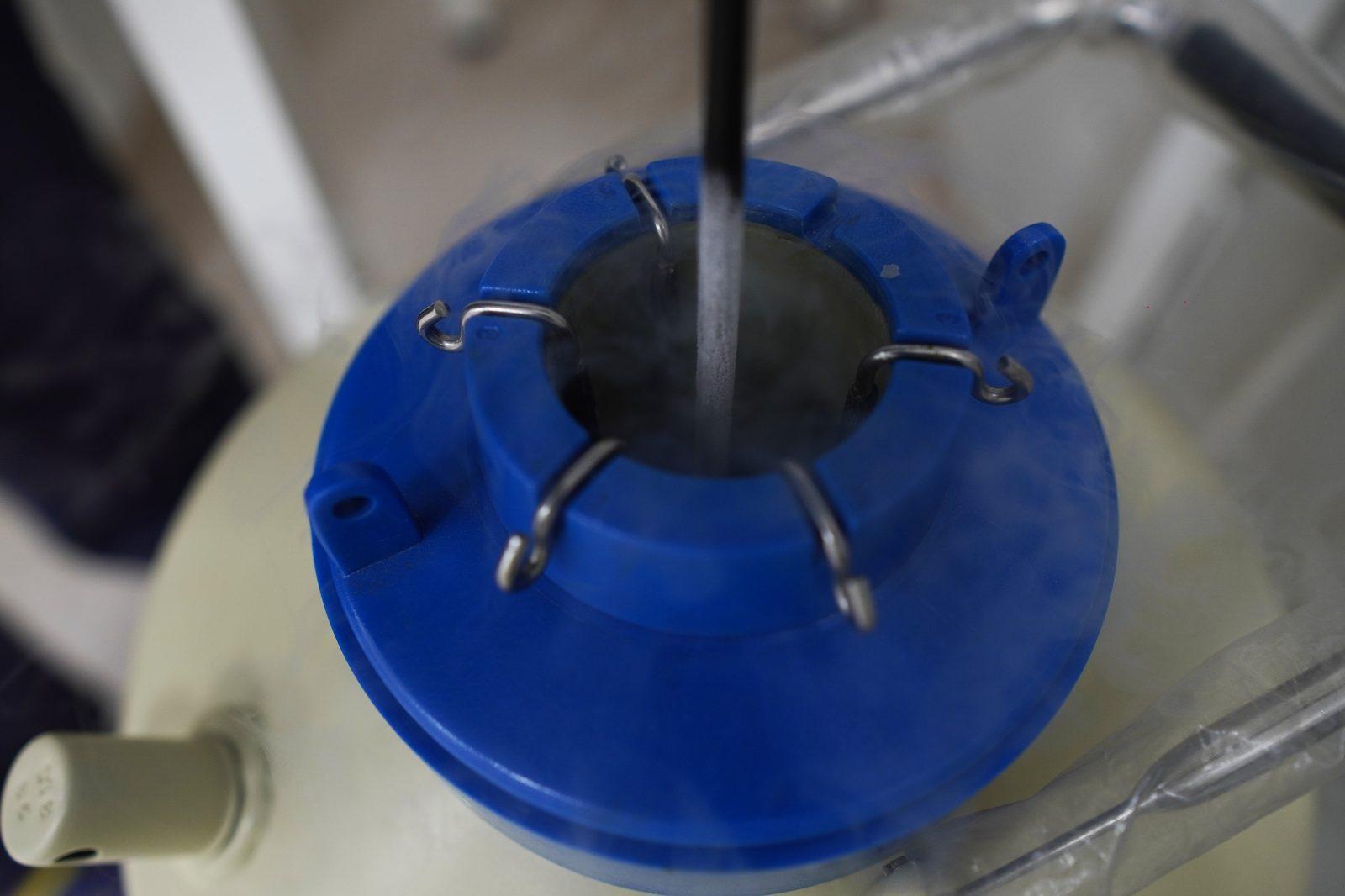
The standard screening and storage protocol involves:
1. Initial clinical examination and detailed medical history
2. Semen analysis to confirm the sample meets quality thresholds
3. Infectious disease and genetic screening
4. Sample freezing and storage at -196°C in liquid nitrogen
5. Six-month quarantine, during which the donor is re-tested to rule out infections in the window period
6. Release of the sample for use only after re-testing confirms continued safety
Recipients receive non-identifying information about the donor – blood group, height, complexion, occupation, education level – to support informed choice. The donor’s identity remains confidential as required by law.
How Donor Fertility Treatment Works
A typical donor cycle, whether using donor egg, donor sperm, or both, follows roughly this sequence:
Initial consultation and confirmation of medical need for donor treatment
Counselling covering emotional, ethical, and legal aspects
Donor matching through a registered ART bank
Cycle synchronisation between donor and recipient (for fresh egg donation)
Preparation of the recipient’s uterine lining through hormonal medication
Egg retrieval from the donor, or thawing of frozen donor sperm
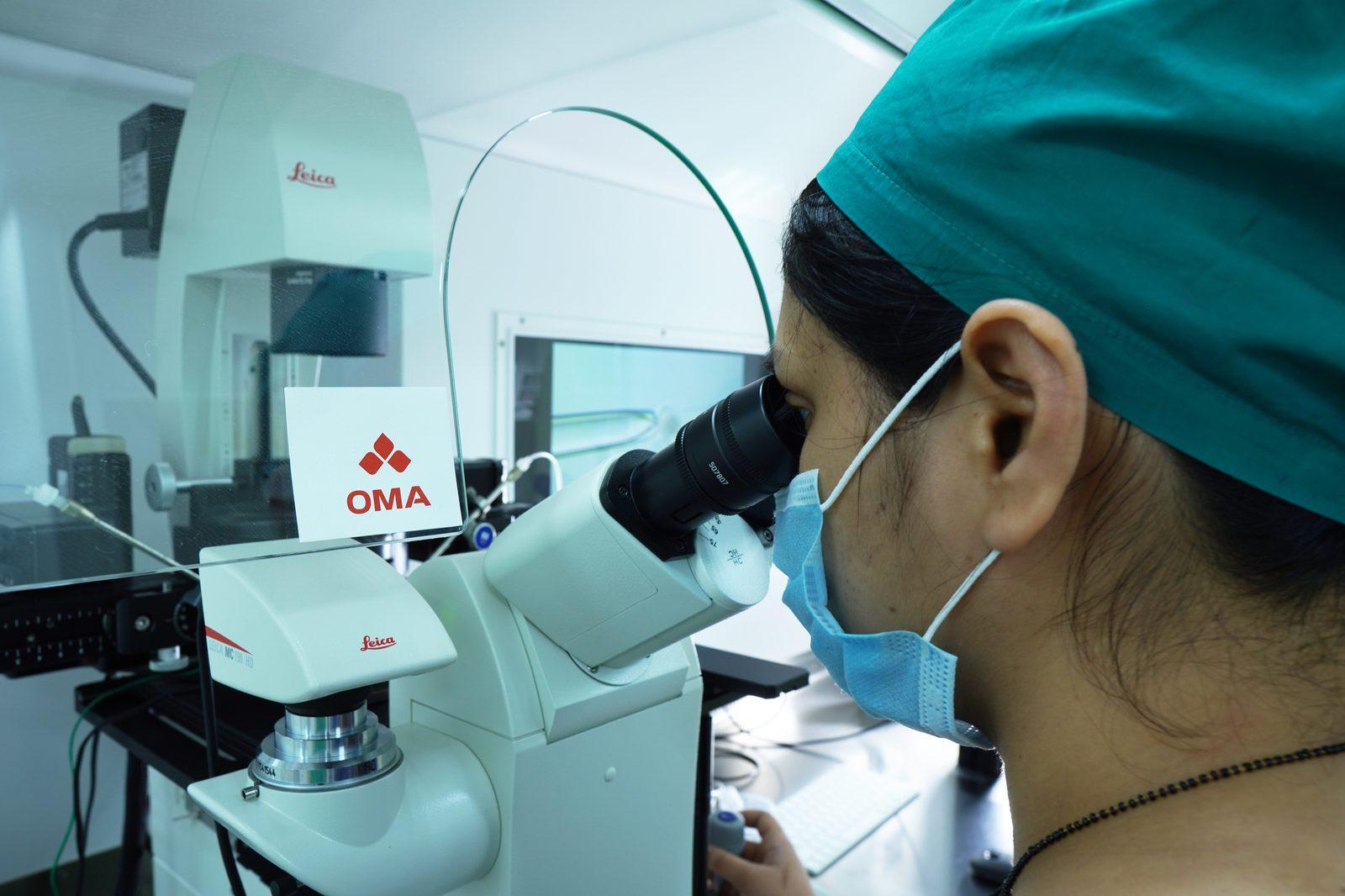
Fertilisation in the laboratory using IVF or ICSI
Embryo transfer into the recipient’s uterus, typically 3 to 5 days after fertilisation
Pregnancy test approximately 12 to 14 days after transfer
The complete process generally takes 4 to 8 weeks from start to embryo transfer, depending on whether fresh or frozen gametes are used and how donor and recipient cycles align.
Frozen embryo transfer is often used in donor cycles, particularly with frozen donor eggs. Vitrification – the flash-freezing technique introduced in the 2000s – has substantially improved survival rates of frozen eggs and embryos. Outcomes from frozen donor cycles are now broadly comparable to fresh cycles. A detailed comparison is available in Frozen vs Fresh Embryo Transfer: Which Wins?.
Safety, Confidentiality & Legal Guidelines for Donor Programs
Donor programmes in India are regulated under the ART Act 2021 and the Surrogacy (Regulation) Act 2021. The rules are designed to protect the donor, the recipient, and the future child. Key requirements include:
All donors must be sourced through registered ART banks.
Informal arrangements, donations through relatives, and off-the-books deals are prohibited.
Comprehensive screening documentation.
Each donor’s medical, genetic, and infection status must be documented and verifiable.
Anonymity.
The donor’s identity is not disclosed to the recipient, and the recipient’s identity is not disclosed to the donor. Identifying information is maintained only in confidential records held by the ART bank.
Written informed consent.
Both donor and recipient must sign comprehensive consent documents covering procedures, legal rights, and child-related responsibilities.
Limits on donations.
Egg donors may donate only once in their lifetime. Sperm donors have a fixed cap on the number of successful pregnancies their sample can produce, which reduces the risk of consanguinity in future generations.
Privacy of records.
All records must be stored securely and accessed only by authorised personnel.
Parental rights are clearly defined in Indian law. The recipient couple is considered the legal parent of the resulting child. The donor has no legal claim, and the child has no legal recourse against the donor.
What to Look For in a Donor Fertility Programme
Patients and couples evaluating any donor fertility programme can use the following criteria to assess clinical quality and regulatory standing:
ART Act 2021 compliance.
The clinic should source donors exclusively through ART banks registered with the National Medical Commission. Documentation should be available on request.
Established ART bank partnerships.
Banks with longer track records and consistent screening protocols generally provide safer samples.
In-house IVF laboratory.
Clinics that perform fertilisation and embryo transfer on the same premises avoid transport-related risks to gamete and embryo quality.
Documented screening protocol.
The clinic should be able to explain its full donor screening panel, including the six-month sperm quarantine.
Counselling included in the process.
Donor cycles carry an emotional dimension. Ethical programmes include pre-cycle counselling as standard.
Transparent itemised pricing.
Costs should be broken down clearly: donor fees, screening, medical procedures, lab work, and transfer.
Continuum of care.
A clinic with maternity and gynaecology departments on site supports a seamless transition once pregnancy is confirmed.
Senior clinical oversight.
Donor cycles should be supervised by a reproductive medicine specialist with significant experience, rather than delegated entirely to junior staff.
Worried about your fertility?
A semen analysis is a simple first step that often clears up months of guessing. Book a confidential consultation with our fertility specialists at OMA Hospital, Chembur.
FAQs
1. Is male infertility curable?
In many cases, yes. Hormonal issues, varicocele, infections, and lifestyle-driven sperm problems often respond well to treatment. Even in harder cases like non-obstructive azoospermia, ICSI combined with surgical sperm retrieval lets most couples have a biological child.
2. Can the donor be identified later?
No. Donor anonymity is mandatory under Indian law. Recipients receive non-identifying information only.
3. What are typical success rates?
Live birth rates from donor egg cycles range broadly between 45 and 55 percent per cycle, depending on egg quality, recipient uterine receptivity, and laboratory technique. Donor sperm cycles using IUI yield pregnancy rates similar to other IUI cycles. Outcomes vary with individual factors.
4. Does the donor have any legal rights over the child?
No. The recipient couple is recognised as the legal parent under Indian law. The donor has no claim, and the child has no legal recourse against the donor.
5. How long does donor matching take?
Frozen sperm samples are typically available from established ART banks without long wait times. Egg donor matching can take weeks to months depending on availability and recipient preferences.
6. Is donor sperm safer than partner sperm?
Not categorically safer. It is an option used when partner sperm cannot be used. Donor sperm goes through formal screening and a six-month quarantine, which provides a documented safety profile.
7. How is embryo donation different from adoption?
Legally and medically, the two are distinct. Embryo donation involves transferring an embryo created from donated gametes into the recipient’s uterus, with pregnancy and birth following. Adoption involves assuming legal responsibility for an existing child.
Related Reading
For readers researching the broader topic of fertility care, the following resources may be useful: