

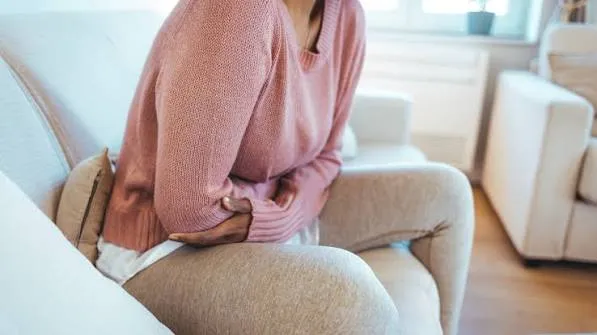
Period pain is common, but pain that repeatedly disrupts your routine deserves attention. If you find yourself missing work, avoiding activities or struggling through every menstrual cycle, it may be worth looking beyond ordinary cramps. Endometriosis is one possible cause, particularly when period pain occurs alongside pelvic pain, heavy bleeding or discomfort during sex or bowel movements.
Endometriosis can take time to diagnose because its symptoms vary and may overlap with other conditions. Understanding what to look for and when to consult a gynaecologist can help you get the right assessment and discuss suitable treatment options.
At OMA Hospital, a women’s speciality hospital in Chembur, care for endometriosis involves evaluating symptoms, discussing treatment choices and considering fertility goals where relevant.
What Is Endometriosis?
Endometriosis is a condition in which endometrial-like tissue grows outside the uterus. It commonly affects the ovaries, fallopian tubes and pelvic lining, although it can occur in other areas.
This tissue responds to hormonal changes during the menstrual cycle. It can contribute to inflammation, pain, scar tissue and adhesions. In some cases, endometriosis affects the ovaries and leads to cysts called endometriomas.
The condition does not look or feel the same for everyone. Some women experience significant pain despite having limited visible disease, while others may have extensive endometriosis with few noticeable symptoms.
What Are the Symptoms of Endometriosis?

Endometriosis symptoms can be different from one person to another. Some women experience pain mainly during their periods, while others have discomfort throughout the month.
Common symptoms include:
- Severe menstrual cramps: Pain that is intense, lasts longer than expected or interferes with everyday activities.
- Chronic pelvic pain: Pain in the lower abdomen or pelvis that may occur even when you are not menstruating.
- Pain during or after sex: Discomfort that may be deep or persistent and can affect sexual activity.
- Heavy menstrual bleeding or bleeding between periods: These symptoms can occur with endometriosis but can also have other causes.
- Pain during bowel movements or urination: Discomfort that may become more noticeable around the time of menstruation.
- Fatigue: Ongoing tiredness that may occur alongside chronic pain and other symptoms.
- Difficulty conceiving: Some women first learn they have endometriosis while undergoing fertility investigations.
Having one or more of these symptoms does not confirm endometriosis. Other gynaecological or digestive conditions can cause similar problems, so a clinical evaluation is important.
Is Your Period Pain Normal or Could It Be Endometriosis?
Menstrual cramps can be part of a typical menstrual cycle. However, certain pain patterns may raise suspicion of endometriosis, particularly when pain is severe, persistent or associated with other symptoms. Some women with endometriosis may have few or no noticeable symptoms.
| Period Pain That May Be More Manageable | Symptoms That May Suggest Endometriosis |
|---|---|
| Mild to moderate cramps | Severe pain that disrupts daily activities |
| Pain mainly during the first days of menstruation | Pain that starts before the period or continues afterwards |
| Relief with rest or usual pain medication | Pain that persists despite standard pain relief |
| No pain during sex or bowel movements | Pain during sex, bowel movements or urination |
| A fairly consistent menstrual pattern | Heavy menstrual bleeding or bleeding between periods |
This comparison is a guide, not a diagnostic test. Pain limited to the first days of a period or pain that improves with usual medication does not rule out endometriosis. If pain affects your daily life or keeps returning, discuss it with a gynaecologist.
What Causes Endometriosis?
The exact cause of endometriosis is not fully understood. Researchers believe that several biological and environmental factors may contribute to its development.
Possible contributing factors include:
- Retrograde menstruation: Menstrual blood may flow backwards through the fallopian tubes into the pelvic cavity. This is one proposed explanation, but it does not account for every case.
- Genetic factors: Endometriosis can run in families, and having a close relative with the condition may increase the likelihood of developing it.
- Immune system factors: Differences in immune responses may affect how the body recognises and clears tissue growing outside the uterus.
- Hormonal influences: Estrogen is involved in the growth and activity of endometriosis tissue.
- Surgical scar implantation: Rarely, endometrial-like tissue may develop at a surgical incision, such as after a caesarean section.
These factors do not predict with certainty who will develop endometriosis. A diagnosis is based on symptoms, clinical assessment and appropriate investigations.
If period pain is affecting your routine, an assessment can help identify possible causes and guide your next steps.
How Is Endometriosis Diagnosed?

Diagnosis usually begins with a discussion of your symptoms and medical history. Your doctor may ask when the pain occurs, how severe it is, whether it affects daily activities and whether you have experienced difficulty conceiving.
Depending on your symptoms, the evaluation may include:
- Pelvic examination: To assess tenderness, pelvic abnormalities or possible cysts.
- Ultrasound: A pelvic or transvaginal ultrasound may identify ovarian endometriomas and some forms of deep endometriosis. A normal ultrasound does not rule out endometriosis.
- MRI: In selected cases, MRI may help assess the location and extent of suspected deep endometriosis.
- Laparoscopy: Surgery may be considered in certain situations to examine and treat endometriosis. A clinician may make a working diagnosis based on symptoms and imaging, and laparoscopy is not required for every patient before treatment can begin.
The choice of investigations depends on your symptoms and clinical findings. If you have persistent period pain or related symptoms, consulting a gynaecologist can help determine the next steps.
Does Endometriosis Cause Infertility?
Endometriosis can affect fertility, but it does not mean that pregnancy is impossible. Many women with the condition conceive naturally, while others may need fertility support.
Endometriosis may affect fertility through inflammation, scar tissue or adhesions that alter pelvic anatomy. Ovarian endometriomas and some treatments, including certain ovarian surgeries, may also affect ovarian reserve.
If you are trying to conceive, treatment planning should take your age, fertility history, ovarian reserve, symptoms and the extent of endometriosis into account. Depending on your individual situation, options may include expectant management, surgery or assisted reproductive techniques such as IVF. Surgery is not automatically beneficial for fertility, and decisions about treating endometriosis surgically should be discussed with your gynaecologist and, where appropriate, a fertility specialist.
What Are the Treatment Options for Endometriosis?

Treatment depends on the severity of symptoms, the impact on everyday life, previous treatment and whether you want to become pregnant now or in the future.
Options may include:
- Pain relief: Anti-inflammatory medicines or other pain management approaches may help reduce discomfort. Your doctor can advise which medicines are appropriate for you.
- Hormonal treatment: Certain contraceptives, progestins and other hormonal medicines may help control symptoms by changing hormonal activity.
- Laparoscopic surgery: In selected cases, surgery may be used to remove endometriosis lesions or adhesions. Potential benefits and risks should be discussed, particularly when fertility is a concern.
- Fertility treatment: Women experiencing difficulty conceiving may be offered an individualised fertility assessment and options such as IVF when appropriate.
- Ongoing management: Symptoms can return after treatment, so some women need follow-up and a longer-term care plan.
There is no single treatment that suits everyone. The decision should be made with your doctor after discussing the likely benefits, limitations, risks and your personal goals.
Living with period pain that does not improve? Discuss your symptoms and treatment options with a specialist.
When Should You See a Gynaecologist?
Consider booking an appointment if period pain repeatedly interferes with your routine, does not improve with usual pain relief or is accompanied by other symptoms.
You should also seek an assessment if you experience:
- Pain during sex, bowel movements or urination.
- Unusually heavy bleeding or bleeding between periods.
- Persistent pelvic pain outside your menstrual cycle.
- Difficulty conceiving.
- A family history of endometriosis.
Sudden severe pelvic pain, fainting or heavy bleeding warrant urgent medical assessment, especially when these symptoms occur together.
Endometriosis Care at OMA Hospital
Endometriosis can affect menstrual health, daily activities and fertility, so care needs to reflect each woman’s symptoms and priorities. At OMA Hospital in Chembur, the gynaecology team can assess concerns, discuss appropriate investigations and explain available management options.
The hospital is led by Dr. Tanuja Uchil, whose training includes gynaecology, infertility and reproductive medicine in India and Germany. For women who are also planning a pregnancy, discussions can include how symptom management and fertility goals may influence treatment decisions.
If period pain is affecting your quality of life, consider discussing your symptoms with a healthcare professional rather than assuming they are something you simply have to tolerate.
FAQ
1. What are the early symptoms of endometriosis?
Early symptoms may include painful periods, pelvic pain, pain during sex or discomfort during bowel movements. Symptoms vary, and some women have few or no noticeable signs.
2. Can endometriosis cause infertility?
Yes, endometriosis can affect fertility, but many women with the condition conceive naturally. Others may benefit from fertility assessment and treatment, depending on their circumstances.
3. How is endometriosis diagnosed?
Diagnosis usually begins with a symptom history and clinical assessment. Ultrasound or MRI may be recommended. A normal ultrasound does not rule out endometriosis. Laparoscopy may be considered in selected cases, but it is not necessary for everyone.
4. Is endometriosis curable?
There is currently no guaranteed permanent cure. However, medication, hormonal treatment and surgery can help manage symptoms. Follow-up may be needed because symptoms can recur.
5. When should I see a doctor about period pain?
Consult a gynaecologist if pain disrupts daily activities, persists despite usual pain relief or occurs with heavy bleeding, pain during sex or bowel and bladder discomfort. Sudden severe pain or heavy bleeding needs urgent assessment.