

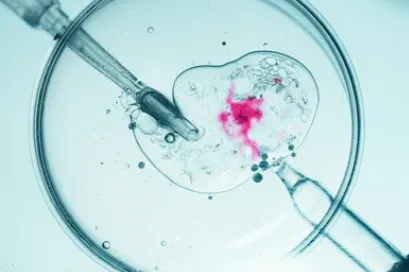
The two weeks between an embryo transfer and a pregnancy test are often the hardest part of the whole IVF journey. The medical work is done, the embryo is where it needs to be, and now there is nothing to do but wait. Most clinics ask you to test around 12 to 14 days after the transfer, and in that window every twinge can feel like a sign.
At OMA Hospital, a women’s speciality hospital in Chembur, we guide couples through this wait every week. This guide covers what is normal, what to do, and what to avoid.
What the Two-Week Wait Is
After the embryo is placed in the uterus, it needs time to implant in the uterine lining and start producing hCG, the hormone a pregnancy test detects. Testing too early often gives a false reading, because hCG has not risen enough yet. The wait protects you from a confusing result that does not reflect your true status.
During this time the embryo may implant anywhere from day 1 to day 5 after a blastocyst transfer. The rest of the wait lets hormone levels build to where a blood test can give a clear answer. Embryo transfer is the final stage of IVF treatment in Mumbai, so this wait follows weeks of preparation.
Common Symptoms After Embryo Transfer
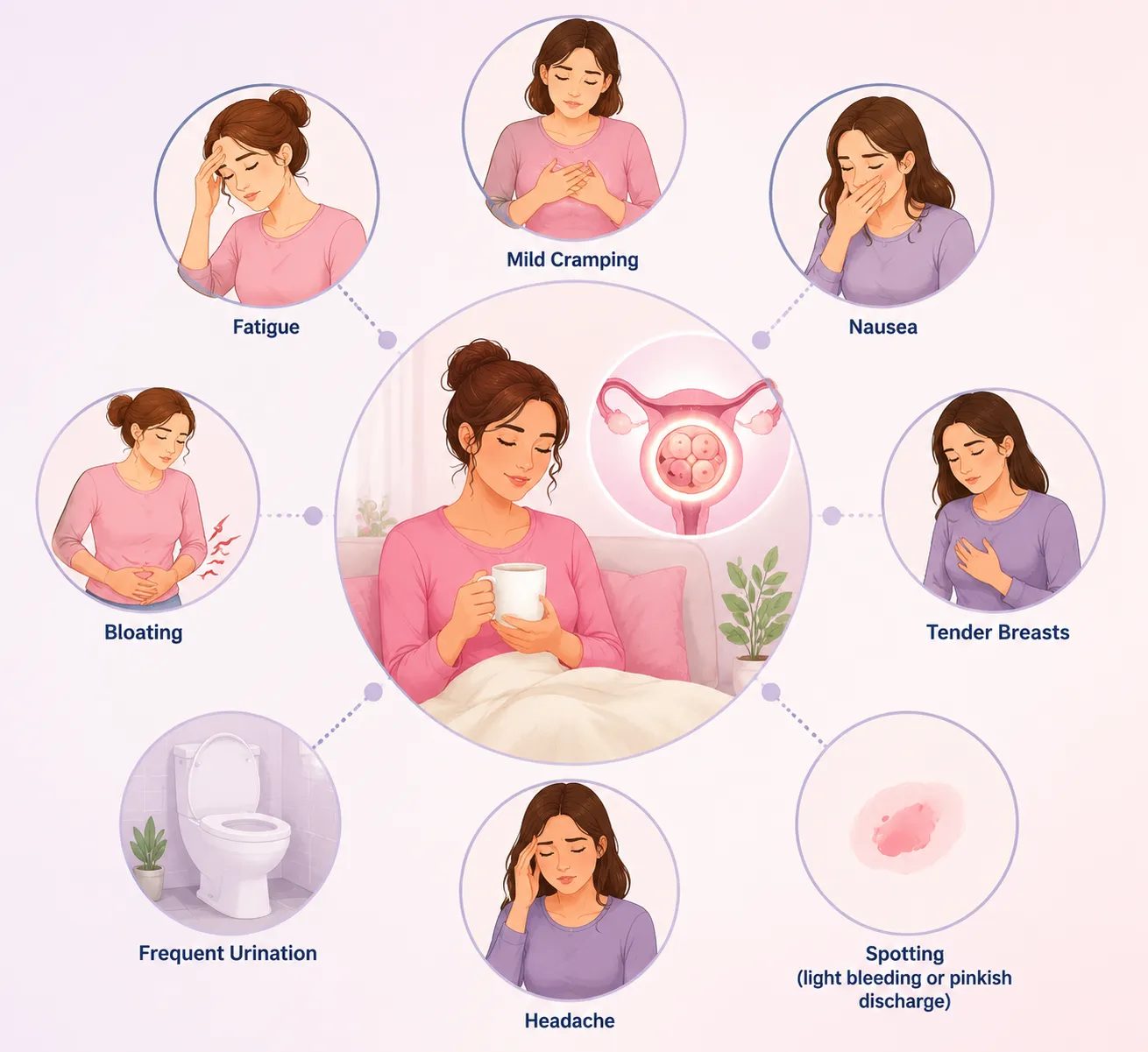
Symptoms after embryo transfer vary widely, and they do not reliably predict the result. Many women with no symptoms get a positive test, and many with strong symptoms do not. A large part of what you feel comes from the progesterone you are taking, not from pregnancy. The common ones include:
Mild cramping
light, period-like cramps are common and can come from the procedure, progesterone, or early implantation.
Light spotting
a little pink or brown spotting around day 3 to 5 may be implantation, but it is not a guarantee either way.
Sore or tender breasts
usually a progesterone effect rather than a definite pregnancy sign.
Bloating
common after stimulation and progesterone, and often lingers into the wait.
Fatigue and mood changes
hormones plus the stress of waiting can leave you tired and emotional.
Mood changes:
anxiety and low mood are common and deserve real support.
No symptoms at all
completely normal and not a bad sign. Plenty of successful cycles feel like nothing is happening.
The takeaway: symptoms are not a reliable guide to the result. The blood test is the only thing that confirms it.
Worried a symptom isn’t normal during your two-week wait? Don’t guess, get it checked by your care team.
Dos and Don’ts After Embryo Transfer
You do not need strict bed rest. Studies show normal daily activity does not lower success, and lying flat for days can add stress. The sensible precautions after embryo transfer are about keeping life gentle and steady, not stopping it. A quick guide:
| DO | DON’T |
|---|---|
| Take your medicines exactly as prescribed | Stop progesterone or any medicine on your own |
| Eat balanced, fibre-rich meals and stay hydrated | Smoke, drink alcohol, or have raw or undercooked food |
| Walk and do light daily activity | Do heavy lifting, intense workouts, or strenuous exercise |
| Rest well and sleep in any comfortable position | Take hot tubs, saunas, or very hot baths |
| Call your doctor about heavy bleeding or severe pain | Test too early at home and panic over the result |
Most everyday things, including going to work and gentle movement, are perfectly fine. It is the extremes, hard exercise, heat, smoking and alcohol, that are worth avoiding. If you are unsure about any activity, your gynaecology team can guide you.
What to Eat After Embryo Transfer

There is no magic fertility food, but steady, nourishing eating supports your body through the two-week wait:
- Protein and whole grains: keep energy steady and support the uterine lining.
- Fruits and vegetables: fibre helps with the constipation that progesterone can cause.
- Plenty of water: good hydration helps with bloating and overall comfort.
- Folate-rich foods: leafy greens and legumes support early pregnancy if implantation happens.
Skip raw or undercooked items, unpasteurised dairy, excess caffeine and alcohol, the same sensible limits you would follow in early pregnancy.
When to Call Your Doctor
Most of the wait passes without any problem. But contact your clinic promptly if you notice:
- Heavy bleeding: more than light spotting, especially with clots.
- Severe pain: sharp or worsening abdominal pain that does not ease.
- High fever: a temperature above 38°C or signs of infection.
- Severe bloating with breathlessness: this can signal ovarian hyperstimulation and needs quick review.
If anything feels wrong, it is always better to ask. Reaching your IVF care team early settles worry and keeps you safe.
In your two-week wait and need reassurance or a check? Take the first step and speak to our team today.
Why Choose OMA Hospital for Your IVF Journey
The two-week wait is as much about emotional support as medical care. As a leading IVF hospital in Mumbai, OMA brings both together. What sets it apart:
Women-only speciality focus
a dedicated women’s hospital in Chembur, built around female and reproductive health.
Experienced leadership
led by Dr. Tanuja Uchil, trained in gynaecology, infertility and reproductive medicine in India and Germany.
Full fertility care
from IUI treatmentin Mumbai to IVF, ICSI and embryo transfer, all under one roof.
Support beyond the transfer
a team you can reach during the wait, and continued pregnancy and maternity care once your test is positive.
Plans built around you
care tailored to your history, your cycle and your goals.
FAQ
How long is the two-week wait?
Usually 12 to 14 days from embryo transfer to the blood pregnancy test.
Does no symptoms mean the cycle failed?
No. Many successful cycles have no symptoms at all, since most signs come from progesterone, not pregnancy.
Can I work during the two-week wait?
Yes. Normal activity and work are fine; only heavy lifting and intense exercise should be avoided.
Should I take a home pregnancy test early?
Best not to. Early home tests often mislead. Wait for the blood test your clinic schedules.
Is bed rest needed after embryo transfer?
No. Strict bed rest does not improve success and can add stress. Gentle daily activity is best.