

Fertility Preservation in Mumbai
Fertility preservation is one of those conversations almost no one expects to be having until they suddenly need to. A cancer diagnosis at 28. A demanding career that has pushed the question of children further into your thirties. A medical condition that requires immediate treatment, but at the cost of future fertility. Each situation is different, but the underlying question is the same – can you protect the option of having a biological child later, even if right now is not the time?
At OMA Hospital, fertility preservation runs as a structured programme – egg freezing, embryo freezing, sperm cryopreservation, ovarian tissue freezing, and testicular tissue freezing. The science has come a long way in 15 years. Frozen eggs can now produce live birth rates close to fresh ones. Frozen sperm survives almost indefinitely. We work with two main groups of patients: those facing a medical situation that makes preservation urgent, and those making a planned, personal decision about timing as part of a broader fertility treatment in Mumbai plan.
What is Fertility Preservation?
Fertility preservation is a set of medical procedures that protect a person’s ability to have a biological child in the future. In plain terms, it means saving healthy eggs, embryos, sperm, or reproductive tissue today, so they can be used later when you are ready or able to start a family. The samples are stored at -196°C in liquid nitrogen, which essentially pauses biological time. Frozen samples do not age or deteriorate while they sit in storage – an egg frozen at 30 is, biologically speaking, still a 30-year-old egg when it is thawed at 40.
The reasons people choose fertility preservation generally fall into two buckets:
Medical reasons.
A cancer diagnosis, an autoimmune condition needing aggressive treatment, or an upcoming surgery that affects reproductive organs can all damage fertility, sometimes permanently. Preserving eggs, sperm, or embryos before treatment starts means the option to have biological children is not lost along the way.
Personal or planned reasons.
You might be 31, single, and not ready to think about children yet, but aware that egg quality will not be the same at 38. You might be a couple with extra embryos from an IVF cycle and want to keep them for a second child later. You might be a man in a high-risk profession who wants a healthy sample on file. None of these are emergencies, but they are decisions made with full information about how biology actually works.
What gets preserved depends on the situation. Eggs, embryos, and ovarian tissue for women. Sperm and testicular tissue for men. Each technique has its own ideal use case, success rates, and storage considerations, which we cover in the next section. One thing applies to all of them: fertility preservation is not a guarantee of future pregnancy. It is, very practically, an option-keeper for one of the most personal decisions you will ever make.
Methods of Fertility Preservation
There are several ways to preserve fertility, and the right one depends on whether the patient is male or female, their age, their relationship status, and how much time they have before any other medical treatment needs to start. Here is what we offer at OMA.
Female Fertility Preservation
For women, the three main techniques are egg freezing, embryo freezing, and ovarian tissue freezing. Each one fits a different situation, and the choice is usually made jointly between the patient and our reproductive medicine team after a full evaluation.
Egg Freezing (Oocyte Cryopreservation)
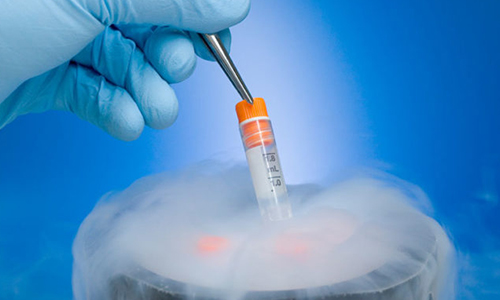
Egg freezing is the most common form of fertility preservation for women. Hormone injections are given for roughly 10 to 12 days to stimulate the ovaries to produce multiple mature eggs in a single cycle. The eggs are then retrieved under sedation and flash-frozen using vitrification, a technique that prevents ice crystal formation and protects egg quality during storage.
The egg freezing treatment in Mumbai we offer is usually suggested for women in their late 20s to mid-30s who want to delay pregnancy, women diagnosed with cancer before chemotherapy begins, and women with conditions like severe endometriosis that may compromise fertility over time. The ideal age is before 35, where egg quality is still high and yields tend to be stronger. After 38 the numbers drop noticeably, though the option remains useful. Our detailed egg freezing guide covers the timeline and what to expect, day by day.
Embryo Freezing
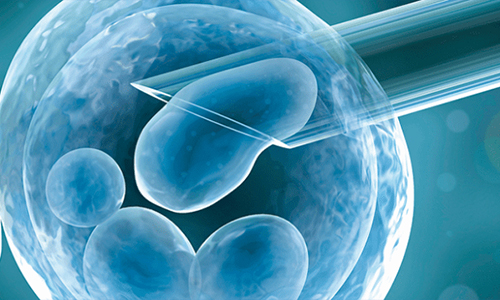
Embryo freezing follows roughly the same process as egg freezing for the woman – stimulation, retrieval – but the eggs are then fertilised with the partner’s or donor’s sperm in the lab before being frozen as embryos rather than as eggs.
Embryo freezing in Mumbai is the preferred option for women who have a partner and are settled on parenthood plans with that partner. Frozen embryos have slightly better survival and pregnancy outcomes than frozen eggs in most studies, because the egg has been already fertilized which further forms embryos, these embryos are graded before freezing. It is also useful when extra embryos remain after an IVF treatment in Mumbai cycle and the couple wants to preserve them for a second child later. For a closer look at how frozen embryos compare to fresh ones at transfer, our blog on frozen vs fresh embryo transfer is worth reading.
Male Fertility Preservation
For men, the techniques are simpler and faster than for women, mostly because sperm freezing has been around longer and the science behind it is more straightforward.
Sperm Freezing (Cryopreservation)
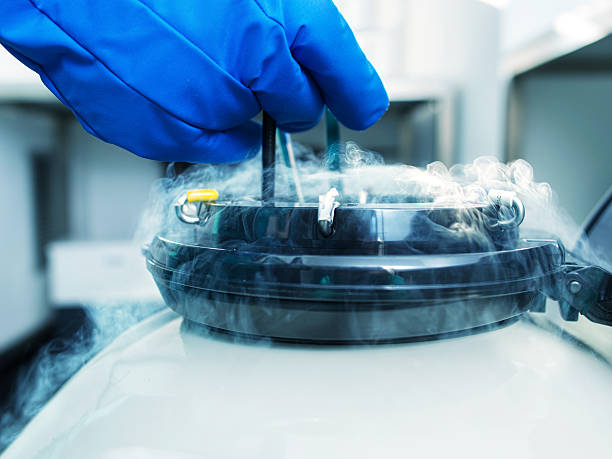
Sperm freezing in Mumbai is one of the most established forms of fertility preservation, with successful pregnancies recorded from samples that have been frozen for over 20 years. The process is simple – a semen sample is collected, analysed for count and motility, divided into multiple vials, and frozen at -196°C in liquid nitrogen.
Sperm cryopreservation in Mumbai is most commonly used by:
- Men diagnosed with cancer before they start chemotherapy or radiation
- Men undergoing surgery that may affect fertility (testicular surgery, prostate surgery)
- Men with declining sperm parameters who want to bank healthier samples now
- Men in high-risk professions such as the military or certain industrial roles
- Couples preparing for IVF where the male partner may not be present on the day of egg retrieval
Recovery and side effects are essentially zero. Storage costs are modest. For men receiving a cancer diagnosis, we can usually fit in 2 to 3 samples within a week before treatment begins.
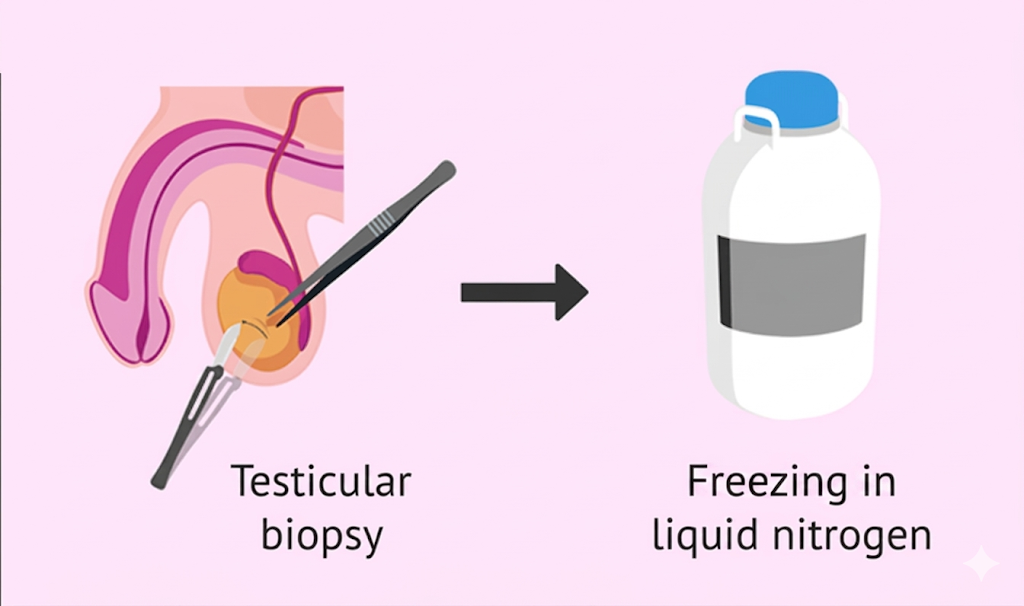
Testicular Tissue Freezing
Testicular tissue freezing is the option for young boys facing chemotherapy or radiation before they have started producing mature sperm. A small piece of testicular tissue containing spermatogonial stem cells is surgically removed and preserved.
The science here is still evolving. Successful births from this technique are limited in number, but the research is moving fast, and preserving the tissue now keeps the door open for future use as the field advances. The technique is also used in some adult cases of non-obstructive azoospermia, often alongside Micro-TESE.
The earlier you begin, the better the odds. Book a consultation with our specialists at OMA Hospital, Chembur.
Who Should Consider Fertility Preservation?
There is no single profile of someone who should freeze eggs, embryos, or sperm. We see a wider mix of patients than people often expect. The categories that come up most often are:
People facing cancer treatment.
Chemotherapy and radiation can permanently damage egg or sperm production. We work alongside oncology teams to fit preservation into the treatment window, usually before the first cycle of chemo. Our onco-gynecology team handles these cases regularly.
Women in their late 20s to mid-30s without immediate pregnancy plans.
Egg quality declines steadily after 35 and more sharply after 38. Freezing eggs in a stronger window gives you real flexibility later. This is increasingly common among women in demanding careers.
Couples doing IVF with extra embryos.
Once you have done the work of stimulation and retrieval, freezing extra embryos means a future cycle does not have to start from scratch.
Women with conditions affecting ovarian reserve.
Endometriosis (especially severe cases), recurrent ovarian cysts, low AMH at a young age, or a family history of early menopause are all reasons to think about freezing eggs earlier rather than later. Our gynecology team can help assess your reserve.
Men with declining sperm parameters or in risky professions.
Banking healthier samples while parameters are still acceptable is an insurance policy worth considering.
People undergoing gender-affirming care.
Hormone therapy and gender-affirming surgery can affect reproductive function. Preservation before treatment keeps options open.
Patients with autoimmune conditions on long-term immunosuppressive therapy.
Some medications affect fertility. Coordinating between your rheumatologist or endocrinologist and a fertility specialist makes sense early on.
If you are unsure whether your situation fits, a single consultation is usually enough to clarify it. We will not push preservation when it is not actually needed.
Benefits of Fertility Preservation
The benefits go beyond the obvious “having a biological child later.” Some are practical, some emotional, and they add up over the years:
Time and flexibility.
You do not have to make decisions about parenthood under pressure. Career moves, finding the right partner, finishing a degree, recovering from illness – preservation gives you breathing room.
Better outcomes from younger eggs and sperm.
Eggs frozen at 32 perform better than fresh eggs at 38. The same broadly holds for sperm. Preserving while parameters are stronger improves your odds later.
Protection from medical risk.
Cancer treatment, autoimmune therapy, and certain surgeries can affect fertility. Preservation takes that risk off the table.
Reduced emotional weight of future decisions.
Many patients describe a sense of relief once their samples are stored. The biological clock pressure quietens down, even if it does not disappear.
Access to newer techniques later.
What can be done with frozen tissue in 10 years may go beyond what is possible today. Storing now means access to whatever the field looks like then.
Continuity of care.
When you are ready to use stored eggs, embryos, or sperm, the IVF cycle picks up with the team that already knows your history.
Success Rates of Fertility Preservation

Straight talk on this one. Success rates depend heavily on age at freezing, the number of eggs or embryos stored, and the technique used. Some honest numbers:
Egg freezing.
For women under 35 freezing 15 to 20 mature eggs, the live birth rate from those eggs ranges roughly between 50 and 70 percent when used. Between 35 and 38, this drops to roughly 35 to 50 percent. Above 38, it drops further. More eggs generally means better odds, which is why some patients do two retrieval cycles.
Embryo freezing.
Frozen embryos have survival rates above 95 percent after thawing with modern vitrification. Pregnancy rates per transfer are similar to, or slightly better than, fresh transfers in most studies.
Sperm freezing.
Sperm survives freezing extremely well. Pregnancy outcomes using frozen sperm in IVF or ICSI are statistically very close to those using fresh sperm.
Ovarian and testicular tissue freezing.
These are newer techniques. Live births have been reported in growing numbers, but the data is still maturing. We discuss specific outcomes case by case rather than quoting headline averages.
We share our own centre’s data during your consultation. No inflated averages from cherry-picked subgroups – we give you what we have actually seen in our cycles, broken down by age band.
Every patient’s odds are different. A 30-minute consultation gives you a clear picture before any commitment. Schedule your consultation with OMA Hospital today.
Why Choose OMA Hospital for Fertility Preservation in Mumbai?
Several things matter when you are choosing where to store something this important:
Modern vitrification protocols.
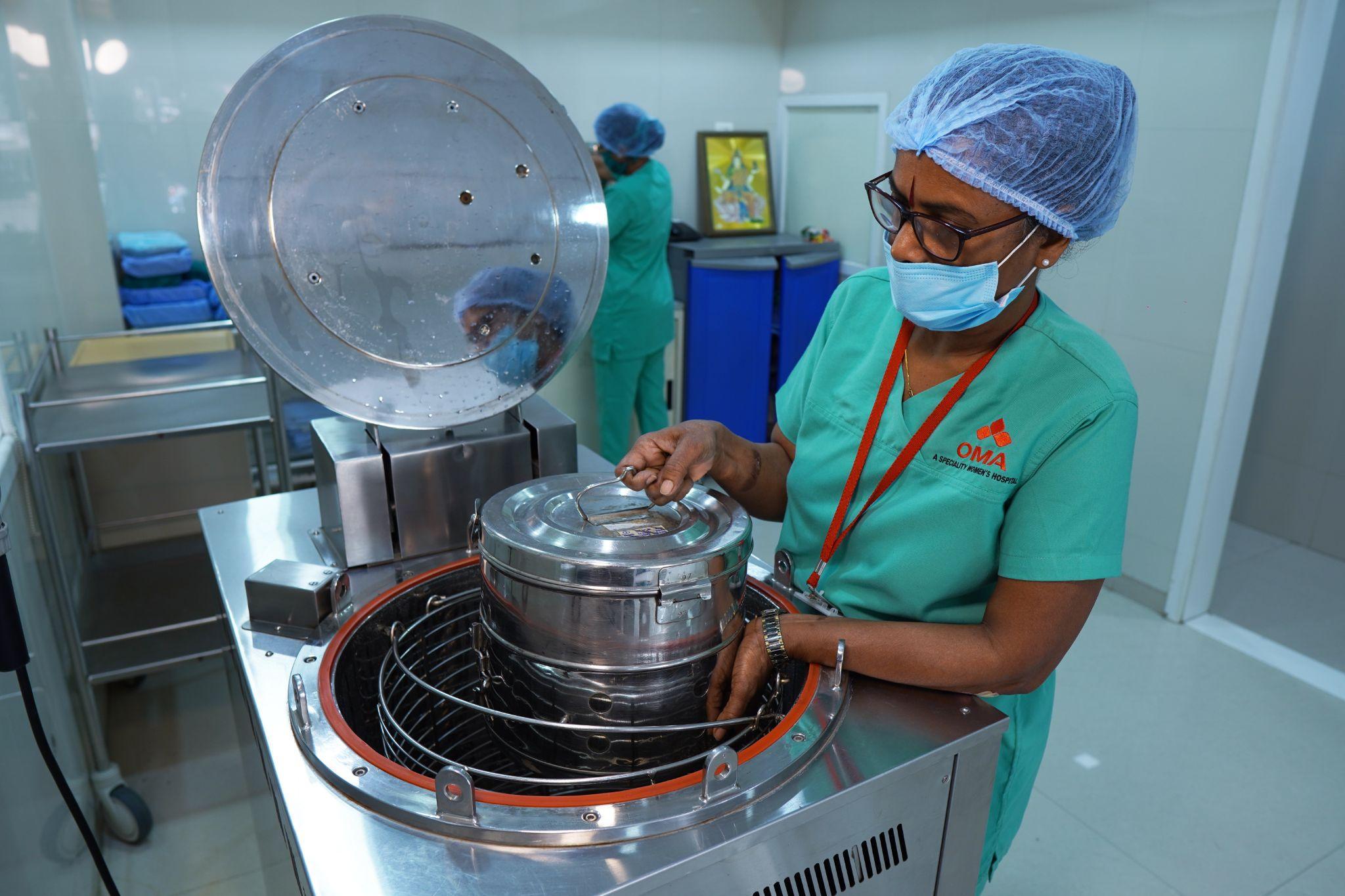
Our IVF lab uses the same flash-freezing techniques used by leading reproductive medicine centres internationally. This is the part that makes the difference in egg and embryo survival rates after thawing.
Long-term storage with proper documentation.
Samples are stored in dedicated cryogenic tanks with strict temperature monitoring. Annual storage agreements are clearly documented, and you receive updates on storage status.
Coordinated with oncology and other specialties.
Many fertility preservation cases are urgent and tied to other treatment timelines. We can fit egg retrieval, sperm collection, or tissue freezing into a tight clinical window, working alongside oncology and surgical teams.
Privacy and discretion.
Many of these decisions are personal. Counselling and consent processes are kept private and clear, and our staff are trained to handle them with respect.
Led by Dr. Tanuja Uchil.
Our fertility programme is led by a clinician with over 20 years of experience in reproductive medicine, including a fellowship from Germany. Read more about OMA Hospital.
One hospital, full continuum.
When you come back later to use your stored samples, the IVF, gynaecology, and maternity teams who handle the next steps are all in the same building.
FAQs
Here are some of the most common questions we get from patients exploring IVF treatment in Mumbai:
1. How long can eggs, embryos, or sperm be stored?
Indefinitely. Live births have been recorded from samples stored for over 20 years. The decision about how long to keep storage running is yours, and we don’t dispose of anything without explicit written consent.
2. Is egg freezing painful?
The injections sting briefly but are not painful. The retrieval is done under sedation, so you don’t feel it. Most women experience mild bloating and discomfort for a few days afterwards. Compared to most procedures, it is well-tolerated.
3. How long does the whole process take?
For women, the egg or embryo freezing cycle takes roughly 2 to 3 weeks from the start of stimulation to retrieval. For men, sperm freezing can be completed in a single visit – often the same day. Ovarian and testicular tissue freezing are short surgical procedures with a recovery of a few days.
4. How much does fertility preservation cost in Mumbai?
Egg freezing usually costs around ₹1.5 to 2.5 lakhs per cycle including medications, plus an annual storage fee. Sperm freezing is far more affordable – often a few thousand rupees plus modest annual storage. We share an itemised estimate upfront so there are no surprises.
5. Is there an age limit for egg freezing?
We do not have a strict cut-off. Most women freeze between 28 and 38. Above 38 we still help patients freeze, but we are honest about the lower yield and lower pregnancy rates per egg, and may suggest doing 2 cycles to bank more eggs.
6. Does fertility preservation guarantee a pregnancy later?
No, and any clinic that suggests otherwise is not being straight with you. Preservation improves your chances of having a biological child later, but it does not guarantee one. The quality of your stored sample and your reproductive health at the time of use both matter.
7. Can I freeze sperm if I am about to start chemotherapy?
Yes, and we can usually arrange this within a few days. Ideally 2 to 3 samples are collected before chemotherapy begins. Even one sample is better than none if time is very limited.
Related Reading
Useful follow-on reading if you are evaluating fertility options: