

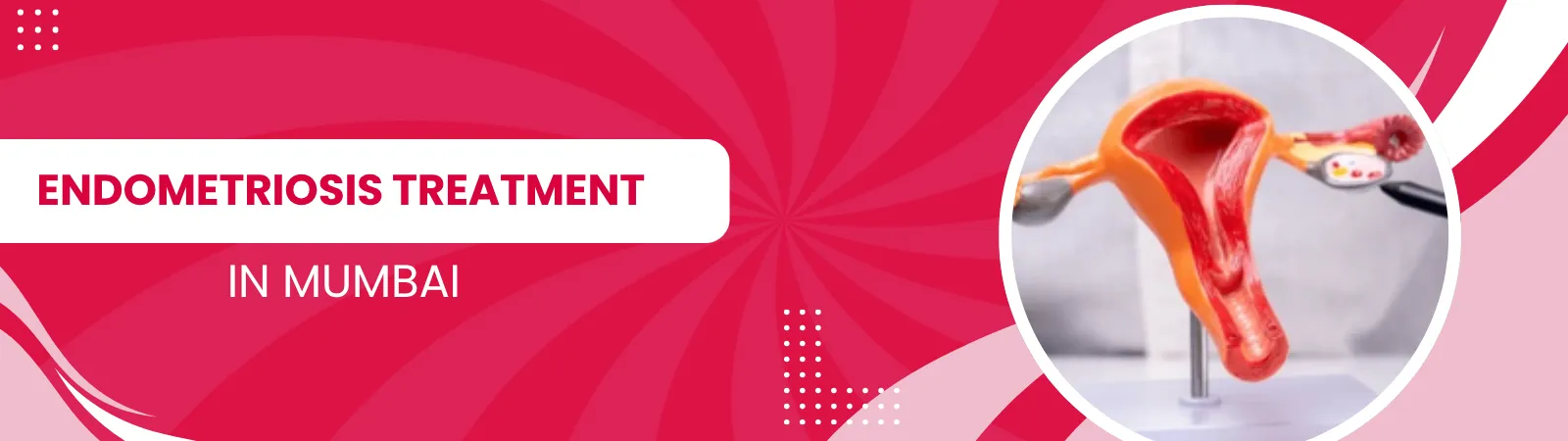

Endometriosis Treatment in Mumbai
Severe period pain, persistent pelvic discomfort, painful intercourse, or difficulty conceiving can affect your work, relationships, and everyday life. These symptoms are sometimes dismissed as a normal part of menstruation, but they may be associated with endometriosis, a chronic condition in which tissue similar to the uterine lining grows outside the uterus.
Dr. Tanuja Uchil, Obstetrician and Gynecologist in Mumbai, highlights that symptom severity does not always match the extent of the disease. Even mild endometriosis can cause significant pain or fertility problems, while advanced disease may remain unnoticed. She advises evaluation when period pain disrupts work, sleep or routine activities, rather than waiting for symptoms to worsen.
At OMA Hospital, Dr. Tanuja Uchil provides personalised endometriosis treatment in Mumbai. Her expertise includes infertility care, ultrasonography and gynaecological laparoscopic surgery. With advanced training, she develops treatment plans depending on symptoms, age, disease severity, ovarian reserve and pregnancy goals.
Wondering what actually happens inside the body when endometriosis develops? Let’s explore the condition in simple terms.
What Is Endometriosis?
Endometriosis occurs when tissue resembling the inner lining of the uterus develops outside the uterine cavity. It commonly affects the ovaries, fallopian tubes, pelvic lining and tissues surrounding the uterus. In some women, it may also involve the bowel, bladder or other pelvic structures.
This tissue responds to hormonal changes during the menstrual cycle. This may cause inflammation, irritation, scar tissue, ovarian cysts known as endometriomas, and adhesions that can make pelvic organs stick together.
Endometriosis is a long-term condition, but its symptoms can often be controlled with appropriate medical, surgical, or fertility treatment.

Could painful periods indicate endometriosis? Let’s discover the common signs.
What Are the Symptoms of Endometriosis?
Symptoms can differ considerably between women. Common symptoms include:
Severe menstrual that interfere with normal activities
Chronic pain in the lower abdomen or pelvis
Pain during or after sexual intercourse
Painful bowel movements, particularly during periods
Pain or discomfort while urinating during menstruation
Heavy or prolonged menstrual bleeding

The intensity of symptoms does not reliably indicate the stage of endometriosis.
Why does endometriosis develop? Let’s discuss the possible factors.
What Causes Endometriosis?
The exact cause of endometriosis is unknown, but several factors may contribute:
Retrograde menstruation: Menstrual blood flows backwards into the pelvic cavity.
Immune system changes: The body may fail to identify and remove abnormal tissue.
Hormonal influence: Oestrogen may support the growth of endometriosis lesions.
Genetic factors: A family history may increase the risk.
Cell transformation: Certain pelvic cells may change into endometrial-like tissue.
Previous surgery: Endometrial-like cells may attach to surgical scars after procedures such as a C-section.
Does pain indicate the stage of endometriosis? Let’s explore how it is classified.
What Are the Different Stages of Endometriosis?
Endometriosis is generally classified into four stages according to the number, depth and location of lesions, adhesions and ovarian endometriomas.
Stage 1, minimal: A small number of superficial lesions with little or no scar tissue.
Stage 2, mild: More lesions may be present, including some that extend deeper into pelvic tissue.
Stage 3, moderate: Multiple deep lesions, small ovarian endometriomas and pelvic adhesions may be found.
Stage 4, severe: Extensive lesions, larger endometriomas and dense adhesions may affect the ovaries, fallopian tubes and surrounding organs.
The stage describes the physical extent of the disease, not the level of pain or its effect on fertility.

How is endometriosis identified? Let’s discover the diagnostic methods.
How Is Endometriosis Diagnosed?
The gynecologist will begin by discussing your menstrual pattern cycle, pain, previous treatment, family history and plans for pregnancy. Diagnosis may involve:
Pelvic examination: The doctor checks for tenderness, reduced organ movement, cysts or unusual pelvic changes. Small lesions may not be detectable through examination alone.
Ultrasound: A pelvic or transvaginal ultrasound can identify ovarian endometriomas and certain signs of deep endometriosis. A normal scan does not completely rule out superficial disease.
MRI: MRI may be recommended when detailed mapping is required, particularly if deep endometriosis or involvement of surrounding organs is suspected.

Which treatment may help manage pain while supporting future fertility plans? Let’s explore the available options at OMA Hospital.
What Are the Treatment Options for Endometriosis?
Our experienced endometriosis specialist in Mumbai plans treatment strategies according to pain severity, age, previous treatment, disease location and whether pregnancy is currently desired and disease extent.
Hormonal therapy: Birth control pills, progestin-based treatment and other hormone-regulating medicines may reduce ovulation, menstrual bleeding and stimulation of endometriosis tissue.
Laparoscopic surgery: Surgery may be considered when pain is severe, disease extent is extensive, endometriomas are present or pelvic anatomy has been affected.
Fertility treatment support:
- Ovulation monitoring
- Fertility assessment
- Assisted reproductive treatment may be advised when endometriosis makes conception difficult.
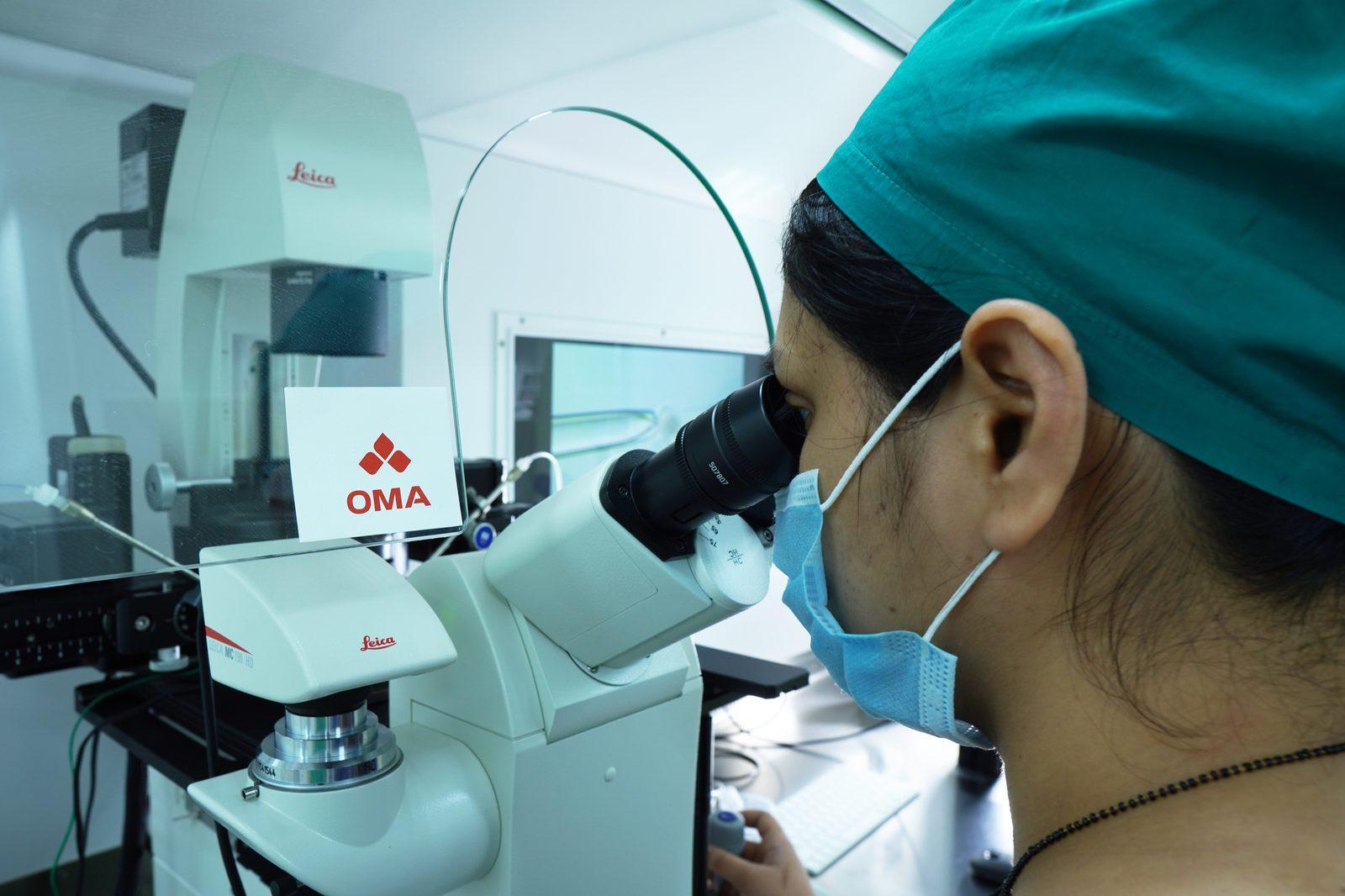

IVF support when required: IVF may help selected couples when the fallopian tubes are affected, ovarian reserve is reduced, other fertility factors are present or previous treatment has not resulted in pregnancy.
Persistent period pain should not be ignored. Reach out today to understand your symptoms and receive a personalised treatment plan.
When may surgery be required? Let’s discuss laparoscopic treatment.
Laparoscopic Surgery for Endometriosis
Dr. Tanuja Uchil may recommend endometriosis surgery in Mumbai when symptoms remain severe despite medication, imaging shows an endometrioma, fertility is affected, or deep lesions are suspected.
During laparoscopic surgery, small abdominal incisions are used to insert a camera and specialised instruments. The procedure may include:
Excision of visible endometriosis lesions
Removal of ovarian endometriomas while protecting healthy ovarian tissue
Release of adhesions affecting the ovaries, tubes or uterus
Restoration of pelvic anatomy where safely possible
Collection of tissue for laboratory examination
Compared with traditional open surgery, laparoscopy generally involves smaller incisions, less postoperative discomfort, a shorter hospital stay and a quicker return to routine activities. Surgery does not guarantee permanent relief, as symptoms or lesions can recur. Follow-up care remains important.
Can endometriosis affect your chances of pregnancy? Let’s explore its impact on fertility and the available support.
Endometriosis Treatment and Fertility
Endometriosis can affect fertility by causing inflammation, adhesions, ovarian cysts or blockage and distortion of the fallopian tubes. Ovarian endometriomas and repeated ovarian surgery may also influence ovarian reserve.
Not every woman with endometriosis will face infertility. Many conceive naturally, particularly when the condition is mild, and the fallopian tubes remain open. A fertility assessment may include ultrasound, ovarian reserve testing, semen analysis and evaluation of the fallopian tubes.
When future pregnancy is planned, treatment must balance symptom control with the protection of ovarian function.

Early fertility planning may help protect future pregnancy options. Connect with a fertility specialist for personalised guidance.
What affects the cost of endometriosis treatment in Mumbai? Let’s discuss the main factors.
Endometriosis Treatment Cost in Mumbai
The endometriosis treatment cost in Mumbai varies because not every patient requires the same tests or treatment. The overall expense may depend on:
Type and duration of medication
Consultation and diagnostic investigations
Ultrasound or MRI requirements
Extent and location of the disease
Complexity of laparoscopic surgery
Hospital stay, anaesthesia and laboratory testing
Need for fertility preservation, IUI or IVF
Follow-up consultations and postoperative care
A confirmed estimate can only be provided after evaluation. Patients should ask what is included in the quotation, such as professional fees, hospital charges, medicines and follow-up care.
What can you expect after endometriosis surgery? Let’s explore the recovery process.
Recovery After Endometriosis Surgery
Recovery depends on the extent of surgery and the organs involved. After a straightforward laparoscopy, many patients can begin light movement within a day and gradually return to routine activities over one to three weeks. Complex surgery may require a longer recovery period.
First few days:
Mild pain, bloating, fatigue, and light vaginal bleeding may occur.
Wound care:
Keep the incisions clean and dry as instructed.
Physical activity:
Start with gentle walking and avoid strenuous exercise or heavy lifting.
Diet and hydration:
Eat light, nutritious meals and drink enough fluids.
Medication:
Take prescribed pain medicines and other medications as directed.
Follow-up:
Attend scheduled visits to assess healing and discuss further treatment.
Warning signs:
Seek medical care for fever, heavy bleeding, severe pain, or wound discharge.
Seeking comprehensive care for endometriosis? Let’s explore what makes OMA Hospital a trusted choice for endometriosis management.
Why Choose OMA Hospital for Endometriosis Treatment in Mumbai?
Internationally Trained Specialist:
Dr. Tanuja Uchil has advanced training in reproductive medicine and gynaecological laparoscopic surgeryfrom the University of Kiel, Germany.
NABH-Accredited Hospital:
OMA Hospital follows established standards for patient safety, clinical care and hospital processes.
Complete Care Under One Roof:
Evaluation, imaging, medication, laparoscopic surgery, fertility assessment and IVF support are available within one hospital.
Advanced Laparoscopic Facilities:
Modern infrastructure supports minimally invasive treatment for suitable endometriosis cases.
Ovarian-Preserving Approach:
Treatment planning aims to protect healthy ovarian tissue and ovarian reserve wherever clinically possible.
Supportive Patient Experience:
Compassionate guidance, clear communication, and continued follow-up support patients throughout treatment and recovery.
FAQs
1. Can endometriosis make it difficult to become pregnant?
Yes. It may affect the ovaries, fallopian tubes, egg quality or pelvic anatomy. However, many women with endometriosis can still conceive naturally or with fertility support.
2. Is severe period pain always a sign of endometriosis?
Not always. Fibroids, adenomyosis and other conditions can also cause painful periods. Pain that interrupts normal activities should be assessed by a gynaecologist.
3. Is laparoscopy necessary to diagnose endometriosis?
Not in every case. Treatment may begin based on symptoms, examination and imaging. Laparoscopy may be advised when diagnosis remains uncertain, or surgery is required.
4. When is surgery recommended for endometriosis?
Surgery may be considered for severe pain, large endometriomas, organ involvement, unsuccessful medical treatment, or fertility-related concerns.
5. Can endometriosis return after surgery?
Yes. Lesions or symptoms may recur, particularly when hormonal activity continues. Ongoing follow-up can help manage recurrence.
6. Does removing an endometrioma affect ovarian reserve?
It can in some cases because endometriomas may be attached to healthy ovarian tissue. Careful surgical planning is important, particularly for women considering pregnancy.
7. Is IVF always required for endometriosis?
No. The need for IVF depends on age, ovarian reserve, tube condition, semen results, disease severity and the duration of infertility.